


Sodium Bromide
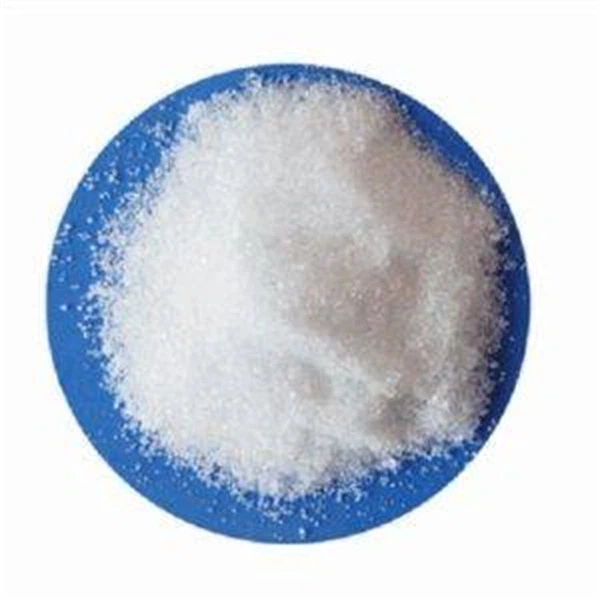
Sodium bromide is an ionic compound, a colorless crystal or white powder, soluble in water, slightly soluble in alcohol, and very similar to sodium chloride.
Runxin was found in 2002, is located in The City of Peony, Heze, Shandong PR, China, covers 20,000 m2 land. We are specializing in the manufacturer industrial biocides and pharmaceutical intermediates, have a complete set of testing instruments. We own large water treatment system and exhaust gas recovery system by ourselves, advanced waste treatment system is building..ince the year of 2002, Runxin got ISO cert in 2005. We have almost 20 years experience in bromine series biocides. We established good business relationship with Dow, Lanxess, Lozna, Thor from 2004 to 2007, which continues today.
Why Choose Us
Factory Strength
Runxin was found in 2002, is located in The City of Peony, Heze, Shandong PR, China, covers 20,000 m2 land. We are specializing in the manufacturer industrial biocides and pharmaceutical intermediates, have a complete set of testing instruments. We own large water treatment system and exhaust gas recovery system by ourselves, advanced waste treatment system is building.
Our certifications
Since the year of 2002, Runxin got ISO cert in 2005.
Our Product
DBNPA, BRONOPOL, CMIT/MIT, BIT, Carbohydrazide, DBNE, Nabr, TCMTB, PHMG, S-triazine, IPBC, DMDMH, MBT, Benzethonium Chloride, 5-bromo-5-nitro-1, 3-dioxane, Cyanoacetamide.
Rich experience
We have almost 20 years experience in bromine series biocides. We established good business relationship with Dow, Lanxess, Lozna, Thor from 2004 to 2007, which continues today.

Industrial grade DBNPA is a highly effective biocide that is widely used in various industrial applications. It offers excellent microbial control properties that make it an ideal choice for cleaning and sanitation purposes. DBNPA is a chlorine-free biocide, which is why it is preferred over...
2,2-Dibromo-3-nitrilopropionamide
2,2-Dibromo-3-nitrilopropionamide, also known as DBNPA, is an effective biocide widely used in the industry to control bacteria, fungi, and algae. While some may worry about the use of biocides in industrial applications, DBNPA has proven to be a safe and reliable solution. DBNPA is a highly...

Chemical Name: 2.2-Dibromo-3-Nitrilopropion Amide
Product Name: DBNPA
CAS No.: 10222-01-2
Molecular Formula: C3H2N2OBr2

Bronopol is a chemical substance that has attracted much attention recently. It is widely used in the fields of disinfection, sterilization and antisepsis. Its mechanism of action is by damaging the cell membranes of microorganisms, thereby killing them. Although Bronopol is widely used in...

DBNPA is a highly efficient disinfectant and is widely used in many fields. It can quickly and completely eliminate a variety of bacteria and microorganisms to ensure hygienic quality. Due to its powerful bactericidal effect and safety and reliability, DBNPA is widely used in the field of...

DBNPA 20% is an effective antiseptic that helps us maintain cleanliness and hygiene in our daily lives. It is suitable for various occasions, such as swimming pools, water treatment systems and factories, etc.

Chemical Name: 2.2-Dibromo-3-Nitrilopropionamide
Common Name: DBNPA
CAS No.: 10222-01-2
Molecular Formula: C3H2N2OBr2

1. DBNPA assay is 95% min, water o.5% min, white tablet, PH5-7.
2. Two specifications, 20g/tablet and 100g/tablet.
3. Tablet has long acting and sustained release.

The appearance of DBNPA is white or almost white powder. DBNPA is almost insoluble in water, need to be dissolved by solvent before use. DBNPA is environmental friendly antimicrobial, the final decomposition products of DBNPA are CO2 and bromine ion.
Sodium bromide is an ionic compound, a colorless crystal or white powder, soluble in water, slightly soluble in alcohol, and very similar to sodium chloride. Its anhydrous form has a melting point of 747 °C and a boiling point of 1390 °C. Sodium bromide is the most widely used inorganic bromide in industry. It is widely used as a bromide ion source and is used in the preparation of other bromides in fields such as organic synthesis. It has been used in large quantities to manufacture silver bromide developers for photography. It can be used as a tranquilizer, sleeping pill or anti-epileptic drug in medicine.
Advantages of Sodium Bromide in Pharmaceuticals
Efficacy and Potency
One of the foremost advantages of sodium bromide is its efficacy. Its potent action on the CNS ensures significant therapeutic benefits, especially in cases of epilepsy and severe anxiety. This potency is a result of its ability to modulate neuronal activity effectively, providing relief from seizures and nervous agitation.
Long History of Use
The long-standing use of sodium bromide in medicine underscores its reliability and efficacy. Over decades of use, the therapeutic benefits and safety profile of sodium bromide have been well-documented, providing a robust foundation of clinical data supporting its continued use.
Cost-Effectiveness
Sodium bromide is also a cost-effective option for treating neurological disorders. Compared to many modern pharmaceuticals, it offers a cheaper alternative without compromising on efficacy, making it accessible for a broader range of patients.
Characteristics of Sodium Bromide
Physical properties
Sodium bromide usually appears as a white crystalline or granular solid. In the form of anhydrous sodium bromide, it is a colorless crystal. It has good solubility in water and can quickly dissolve and form sodium bromide aqueous solution. Its solubility increases with the increase in temperature. From the melting point and boiling point, it has a melting point of about 755°C and a boiling point of about 1390°C. It can melt into a liquid state at high temperatures.
Chemical properties
Sodium bromide is an alkaline compound that reacts with acids to form corresponding salts and water. For example, when it reacts with hydrochloric acid, sodium chloride and hydrogen bromide are formed. It can be oxidized under certain conditions. For example, when it comes into contact with a reducing agent, an oxidation reaction can occur. It can be used as a source of bromine in chemical reactions. In organic synthesis, it is often used as an introducer of bromine atoms and participates in many organic reactions such as substitution reactions. In addition, it has a certain toxicity, and excessive intake may lead to poisoning. Therefore, the dosage needs to be carefully controlled during use, and direct contact with the skin or inhalation of its dust should be avoided.
Application of Sodium Bromide
The application of sodium bromide in various industries
Due to the wide range of applications of Sodium Bromide, it is of great significance in various industries. Sodium Bromide is mainly known for its medicinal and photo use. It is used in many industrial processes from pharmaceuticals to oil and natural gas exploration.
Pharmaceutical industry
In the pharmaceutical industry, Sodium Bromide is a key component in several medicine formulas. Historically, it is used as sedatives and anticonic drugs, and is usually used to treat epilepsy and other nervous system diseases. Its ability to calm the central nervous system makes it valuable in mental treatment. Although its medical use has been reduced for many years, its medical purposes have been reduced, but Sodium Bromide is still applied in some areas, such as veterinarians, antiepileptic drugs for dogs and cats.
The field of photography
Another important application of Sodium Bromide is in the field of photography. Sodium Bromide plays a vital role in the process of showing. When mixed with silver nitrate, Sodium Bromide forms a silver crystal that is sensitive to light, which can capture images when exposed to light. This process is known as the process of bromide gelatin, which has completely changed the photography industry and paved the way for modern movie development technology.
Petroleum and natural gas industry
Sodium Bromide is widely used in oil and gas industries, especially in drilling fluids. These fluids are also known as drilling mud, and there are many uses in drilling operations, including lubrication, cooling and maintaining stress. When adding Sodium Bromide to the drilling solution, it helps control the viscosity and density of the mud, thereby improving the efficiency of mining oil and natural gas from underground reservoirs.
Sodium Bromide Structure
Unit Cell
The basic building block of the sodium bromide crystal lattice is a unit cell. In the FCC arrangement, the unit cell is cubic in shape.
Ionic Bonds
The structure is primarily held together by strong ionic bonds between the positively charged sodium ions and the negatively charged bromide ions.
Coordination Number
Each sodium ion (Na+) is surrounded by six bromide ions (Br-) arranged in an octahedral geometry, and vice versa.
Symmetry
The sodium bromide crystal lattice exhibits cubic symmetry due to the arrangement of ions in a cubic unit cell.
- By analyzing infrared spectrum analysis of Sodium Bromide, it can determine its chemical composition.
- Using Raman spectral technology, you can more accurately determine the structural information of Sodium Bromide.
- Use X -ray diffraction technology in the experiment to understand the crystal structure of Sodium Bromide in depth
- By using the instrument to analyze the chemical reaction product of Sodium Bromide, it can also provide very valuable identification methods. For example, when Sodium bromide reacts with hydrocerolytic acid, the composition and proportion of the product can be determined by the chromatography of the product.

- When storing Sodium Bromide, you should choose a cool, dry, and ventilated place to stay away from the fire source and thermal source. It is recommended to use the fiber plate bucket packaging of inner lining polyethylene plastic bags.
- Wear gloves and goggles when used to avoid direct contact and inhalation.
- Sodium bromide needs to be stored in a sealed container to avoid contact with water. During the storage process, moisture -proof agents can also be placed to avoid moisture.
Our Factory

FAQ
Hot Tags: sodium bromide, China sodium bromide suppliers, manufacturers, factory, 55406 53 6, 4 4 50, Water Treatment Chemicals, 7753 60 8, 4 4 19, sanitizers




Send Inquiry
