


IPBC Preservative
IPBC Preservatives are substances that prevent chemical changes or the growth of microbes in food. People often use them to prolong a food's shelf life, flavor, color or texture.
Runxin was found in 2002, is located in The City of Peony, Heze, Shandong PR, China, covers 20,000 m2 land. We are specializing in the manufacturer industrial biocides and pharmaceutical intermediates, have a complete set of testing instruments. We own large water treatment system and exhaust gas recovery system by ourselves, advanced waste treatment system is building..ince the year of 2002, Runxin got ISO cert in 2005. We have almost 20 years experience in bromine series biocides. We established good business relationship with Dow, Lanxess, Lozna, Thor from 2004 to 2007, which continues today.
Why Choose Us
Factory Strength
Runxin was found in 2002, is located in The City of Peony, Heze, Shandong PR, China, covers 20,000 m2 land. We are specializing in the manufacturer industrial biocides and pharmaceutical intermediates, have a complete set of testing instruments. We own large water treatment system and exhaust gas recovery system by ourselves, advanced waste treatment system is building.
Our certifications
Since the year of 2002, Runxin got ISO cert in 2005.
Our Product
DBNPA, BRONOPOL, CMIT/MIT, BIT, Carbohydrazide, DBNE, Nabr, TCMTB, PHMG, S-triazine, IPBC, DMDMH, MBT, Benzethonium Chloride, 5-bromo-5-nitro-1, 3-dioxane, Cyanoacetamide.
Rich experience
We have almost 20 years experience in bromine series biocides. We established good business relationship with Dow, Lanxess, Lozna, Thor from 2004 to 2007, which continues today.

Industrial grade DBNPA is a highly effective biocide that is widely used in various industrial applications. It offers excellent microbial control properties that make it an ideal choice for cleaning and sanitation purposes. DBNPA is a chlorine-free biocide, which is why it is preferred over...
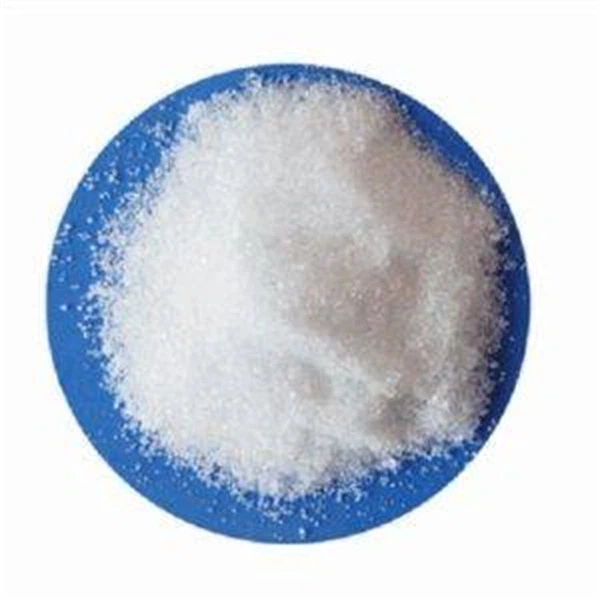
2,2-Dibromo-3-nitrilopropionamide
2,2-Dibromo-3-nitrilopropionamide, also known as DBNPA, is an effective biocide widely used in the industry to control bacteria, fungi, and algae. While some may worry about the use of biocides in industrial applications, DBNPA has proven to be a safe and reliable solution. DBNPA is a highly...

Chemical Name: 2.2-Dibromo-3-Nitrilopropion Amide
Product Name: DBNPA
CAS No.: 10222-01-2
Molecular Formula: C3H2N2OBr2

Bronopol is a chemical substance that has attracted much attention recently. It is widely used in the fields of disinfection, sterilization and antisepsis. Its mechanism of action is by damaging the cell membranes of microorganisms, thereby killing them. Although Bronopol is widely used in...

DBNPA is a highly efficient disinfectant and is widely used in many fields. It can quickly and completely eliminate a variety of bacteria and microorganisms to ensure hygienic quality. Due to its powerful bactericidal effect and safety and reliability, DBNPA is widely used in the field of...

DBNPA 20% is an effective antiseptic that helps us maintain cleanliness and hygiene in our daily lives. It is suitable for various occasions, such as swimming pools, water treatment systems and factories, etc.

Chemical Name: 2.2-Dibromo-3-Nitrilopropionamide
Common Name: DBNPA
CAS No.: 10222-01-2
Molecular Formula: C3H2N2OBr2

1. DBNPA assay is 95% min, water o.5% min, white tablet, PH5-7.
2. Two specifications, 20g/tablet and 100g/tablet.
3. Tablet has long acting and sustained release.

The appearance of DBNPA is white or almost white powder. DBNPA is almost insoluble in water, need to be dissolved by solvent before use. DBNPA is environmental friendly antimicrobial, the final decomposition products of DBNPA are CO2 and bromine ion.
IPBC Preservatives are substances that prevent chemical changes or the growth of microbes in food. People often use them to prolong a food's shelf life, flavor, color or texture. Under this broad definition, even smoke and ice could be preservatives, although most people don't think of them that way. Instead, people consider smoking, freezing and drying food to be physical preservation techniques that don't involve the use of preservatives.Highly processed foods often contain the most preservatives. One study found that ultra-processed foods contributed to 57,000 premature deaths in Brazil in 2019. However, it's impossible to draw a direct link between these deaths and the consumption of preservatives, since there are so many other potential factors at play.
Benefits of IPBC Preservative
Increases Food Variety
Some food types only grow or thrive in specific seasons. For example, peas cannot survive in hot seasons like the summer. Thus, households cannot access the nutritional value these specific foods offer and might have to wait for the next season to access them. However, preservatives can circumvent this limitation and ensure they are available when needed.
Increases Food Supply and Prevents Waste
Regardless of any food policies and agricultural management techniques, farms completely control the amount of food they produce. Thus, some regions might have food surplus while others experience shortages.This situation generates food management problems. A supply shortage can increase food demand exponentially, while a supply surplus can increase food wastage. However, food producers and processors can navigate this supply issue with the use of preservatives.
Extends Shelf Life
Some food processors and producers do not sell directly in their resident region. Others might want to expand their operations to reach consumers far from their production site. Thus, food processors that transport their products over significant distances will require some preservation. Also, modern preservatives can retain or improve the original taste and quality of the product, which minimizes the loss of both nutritional and flavor value.
Improves Food Safety
Food can react with or interact with biological and chemical agents that can reduce their quality or infect the food with dangerous microorganisms. Preservatives can help curate the problem by inhibiting the reproduction of hazardous chemicals and microbes that can endanger human life.antioxidants prevent oxidation in foods, especially those with high-fat content. Antioxidants like ascorbic acid can prevent the rancidification of fat content in foods, which can produce dangerous secondary chemicals that will negatively affect humans.
Types of IPBC Preservative
Nitrates and Nitrites
Manufacturers commonly use these preservatives in cured meats, such as bacon, hot dogs and lunch meats. High levels of dietary nitrites can cause methemoglobinemia, which decreases the ability of the blood to deliver oxygen to tissues. Researchers have linked the chemical to higher risks of bladder and stomach cancer, with all global cancer cases expected to rise 47% compared to 2020. Nitrates are associated with higher thyroid cancer risks.
Tert-butylhydroquinone (TBHQ)
TBHQ is a food additive used to extend storage life. A 2022 study concluded that long-term exposure to TBHQ at doses of 0.7 milligrams per kilogram of body weight has carcinogenic, genotoxic, cytotoxic and mutagenic effects.It doesn't accumulate much in body tissues, but it possibly leads to nutritional disorders and chronic health issues such as cancer. It's best to limit foods like chips, donuts, popcorn, pre-made frozen dinners and other highly processed foods to avoid excess TBHQ consumption. Limiting these foods also helps reduce dietary salt and fat intake.
Propionic Acid (PPA)
This preservative made headlines in 2019 due to its potential connection to autism spectrum disorder (ASD). A mold inhibitor, manufacturers commonly add PPA to store-bought bread, processed cheese, dried fruits and baked goods.Researchers from the University of Central Florida discovered that exposing neuronal stem cells to PPA changed them on a cellular level. It was the first molecular connection scientists have discovered between food preservatives and autism, suggesting that pregnant women should stick to eating whole foods. The CDC found that in 2000, around 0.6% of children had ASD, but the number jumped to 2.27% in 2018.
Sodium Benzoate
Sodium benzoate has antifungal and antibacterial properties that make it useful for preventing the growth of bacteria, yeast and mold, especially in acidic foods. It does not accumulate in the body. Fruits, vegetables, seafood and dairy products may naturally contain sodium benzoate, but manufacturers produce it in laboratory settings for use as a preservative.
Application of IPBC Preservative
Preservatives in Food
Food has a natural expiration process that is the result of bacteria, fungus, and molds taking over the food. By adding preservatives, whether they be natural, artificial, or a combination of both - it prevents these foods from expiring as fast. Preservatives are also used to help keep the food color, shape, smell, and size-which can make the food item more appealing to the consumer.
Preservatives in Medicine and Pharmaceuticals
Preservatives are used in medicine and pharmaceuticals to help prevent microbial contamination. This is most commonly found in over-the-counter medicines such as acetaminophen and cough syrup.
Preservatives in Cosmetics
In makeup and other personal and hygiene products (i.e. shampoo, conditioner, cleansers, etc.), preservatives are used to prevent and slow down bacteria growth and product breakdown. Most of the preservatives in cosmetics are artificial/chemical-based. However, this doesn't go to say that there aren't natural preservatives in cosmetics. In fact, there are brands that are dedicated to creating all-natural products that are free of chemicals and artificial preservatives.
Preservatives in Wood
Although it may sound strange, preservatives are often added to wood, and for a good purpose. Doing so prevents the wood from splintering, rotting, and breaking - which is especially important in wooden structures like powerline/telephone poles, fences, and patios.
How to Choose IPBC Preservative
When considering solubility, we need to know if the preservative is oil soluble or water soluble. If you're just starting out, I would suggest using water soluble preservatives as long as the product contains some type of water phase, water-based ingredients, or water soluble ingredients–for example hydrosols, extracts, glycerin, or water-based surfactants. I would suggest using oil soluble preservatives when the product contains mostly, or all, oil-based ingredients. Technically you can use oil soluble preservatives in water-based formulations, and vice versa, but keeping your formula stable can be more complicated!
Once you have narrowed down your preservative selection based on its solubility, the next thing to look at is what is the effective pH range for that preservative, and what is the pH of your final product.Most DIY skincare will have a pH of 4-8, but to be certain, you would need to test the pH of your product. This might require you to create a small sample batch and test it. Once you know the pH of your product, you can start matching it up with suitable preservatives. You'll want to do your best to have your product's pH fall in the middle of your chosen preservatives range to ensure it will be as effective as possible.
The next major component of choosing a preservative is taking note of what temperatures it can handle. This will mainly come into play when you are trying to add preservatives to very hot formulations.If the product needs to be poured into molds at a liquid stage–conditioner bars, solid scrub bars, and our bath crayon recipes come to mind here–then it will need a preservative that can handle high temperatures to ensure that the product doesn't become too cool and solidify before it can be poured.
Now that we have a baseline of some of the important things we need to consider when choosing a preservative, it's time to consider the broader picture here–and that's the issue of broad spectrum! For the most part, I would generally advise you to choose a preservative that is labeled as broad-spectrum–meaning that it will target bacteria, yeast and mold. You should always read the supplier's description, and if possible, cross reference that with the actual manufacturer's description if you're able to find it.
Our Factory

FAQ
Hot Tags: ipbc preservative, China ipbc preservative suppliers, manufacturers, factory, 57028 96 3, 32289 58 0, nematocide gels, PHMB 20 , 1 5 Dioxo 7a methyl 3aa hexahydroindane 4a propionic Acid, 2 Methyl 4 Isothiazolin 3 One Biocide


Send Inquiry
