


OIT Biocide
OIT biocides are potent antibacterial substances commonly used as preservatives or disinfectants, and 2-n-Octyl-4-isothiazolin-3-one (OIT; octhilinone) is a common IT biocide that is present in leather products, glue, paints, and cleaning products.
Runxin was found in 2002, is located in The City of Peony, Heze, Shandong PR, China, covers 20,000 m2 land. We are specializing in the manufacturer industrial biocides and pharmaceutical intermediates, have a complete set of testing instruments. We own large water treatment system and exhaust gas recovery system by ourselves, advanced waste treatment system is building..ince the year of 2002, Runxin got ISO cert in 2005. We have almost 20 years experience in bromine series biocides. We established good business relationship with Dow, Lanxess, Lozna, Thor from 2004 to 2007, which continues today.
Why Choose Us
Factory Strength
Runxin was found in 2002, is located in The City of Peony, Heze, Shandong PR, China, covers 20,000 m2 land. We are specializing in the manufacturer industrial biocides and pharmaceutical intermediates, have a complete set of testing instruments. We own large water treatment system and exhaust gas recovery system by ourselves, advanced waste treatment system is building.
Our certifications
Since the year of 2002, Runxin got ISO cert in 2005.
Our Product
DBNPA, BRONOPOL, CMIT/MIT, BIT, Carbohydrazide, DBNE, Nabr, TCMTB, PHMG, S-triazine, IPBC, DMDMH, MBT, Benzethonium Chloride, 5-bromo-5-nitro-1, 3-dioxane, Cyanoacetamide.
Rich experience
We have almost 20 years experience in bromine series biocides. We established good business relationship with Dow, Lanxess, Lozna, Thor from 2004 to 2007, which continues today.

Industrial grade DBNPA is a highly effective biocide that is widely used in various industrial applications. It offers excellent microbial control properties that make it an ideal choice for cleaning and sanitation purposes. DBNPA is a chlorine-free biocide, which is why it is preferred over...
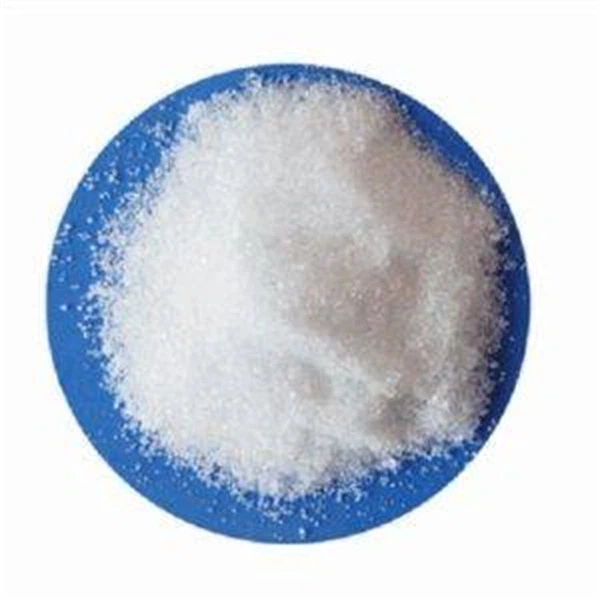
2,2-Dibromo-3-nitrilopropionamide
2,2-Dibromo-3-nitrilopropionamide, also known as DBNPA, is an effective biocide widely used in the industry to control bacteria, fungi, and algae. While some may worry about the use of biocides in industrial applications, DBNPA has proven to be a safe and reliable solution. DBNPA is a highly...

Chemical Name: 2.2-Dibromo-3-Nitrilopropion Amide
Product Name: DBNPA
CAS No.: 10222-01-2
Molecular Formula: C3H2N2OBr2

Bronopol is a chemical substance that has attracted much attention recently. It is widely used in the fields of disinfection, sterilization and antisepsis. Its mechanism of action is by damaging the cell membranes of microorganisms, thereby killing them. Although Bronopol is widely used in...

DBNPA is a highly efficient disinfectant and is widely used in many fields. It can quickly and completely eliminate a variety of bacteria and microorganisms to ensure hygienic quality. Due to its powerful bactericidal effect and safety and reliability, DBNPA is widely used in the field of...

DBNPA 20% is an effective antiseptic that helps us maintain cleanliness and hygiene in our daily lives. It is suitable for various occasions, such as swimming pools, water treatment systems and factories, etc.

Chemical Name: 2.2-Dibromo-3-Nitrilopropionamide
Common Name: DBNPA
CAS No.: 10222-01-2
Molecular Formula: C3H2N2OBr2

1. DBNPA assay is 95% min, water o.5% min, white tablet, PH5-7.
2. Two specifications, 20g/tablet and 100g/tablet.
3. Tablet has long acting and sustained release.

The appearance of DBNPA is white or almost white powder. DBNPA is almost insoluble in water, need to be dissolved by solvent before use. DBNPA is environmental friendly antimicrobial, the final decomposition products of DBNPA are CO2 and bromine ion.
What Is OIT Biocide
OIT biocides are potent antibacterial substances commonly used as preservatives or disinfectants, and 2-n-Octyl-4-isothiazolin-3-one (OIT; octhilinone) is a common IT biocide that is present in leather products, glue, paints, and cleaning products.
Benefits of OIT Biocide
Thermal Stability: The Foundation of Reliability
In the demanding landscape of product preservation, thermal stability stands as a pivotal attribute. Fluctuating temperatures, common during storage and transportation, can compromise the efficacy of biocides, rendering them ineffective and jeopardizing product quality. Herein lies the inherent advantage of OIT. Its robust thermal stability ensures consistent performance even under extreme temperature variations, safeguarding the integrity of the product throughout its lifecycle.
Embracing Safety: Mitigating Hazards with OIT
In the pursuit of product preservation, safety considerations are paramount. While multi-active biocides may offer comprehensive protection against microbial threats, they often come with a trade-off in terms of safety. The presence of multiple active contents can elevate the risk of toxicity, allergenic reactions, and environmental hazards.Conversely, OIT presents a compelling proposition by virtue of its singular active content. Its focused mechanism of action minimizes the potential for adverse effects, reducing the risk of unintended consequences associated with complex formulations.
OIT biocide have proven efficacy and performance for microbial control in a variety of industrial water treatment applications. Understanding the mechanism of action of industrial biocides is important in optimizing their use and combating resistance if encountered. Isothiazolones utilizes a two step mechanism involving rapid inhibition (minutes) of growth and metabolism, followed by irreversible cell damage resulting in loss of viability (hours). Cells are inhibited by disruption of the metabolic pathways involving dehydrogenase enzymes.
Critical physiological functions are rapidly inhibited in microbes, including growth, respiration (oxygen consumption), and energy generation (ATP synthesis). Cell death results from the destruction of protein thiols and production of free radicals. The rate and extent of killing may be enhanced by various adjuvants including surfactants. This unique mechanism results in a broad spectrum of activity, low use levels, and difficulty in attaining resistance.
Application of OIT Biocide
Healthcare
The healthcare industry depends heavily on OIT biocides, where they are used for sterilization of medical devices, disinfection of surfaces and water, and skin antisepsis.
Pharmaceuticals
OIT Biocides are used as preservative to preserve drugs and in some vaccine formulations.
Biotechnology
OIT Biocides are used as a preservative in biological products such as immunoglobulin solutions, chromatography resins and other reagents used in laboratory.
Cosmetic industry
OIT Biocides are used as a preservative and antimicrobial agent in making lotions, creams, face wash and cleansing conditioners. Their use in the cosmetic industry is increasing with the increasing demand for high-quality products with cleansing and sanitizing properties to protect the consumer from skin infections.
Domestic use products
OIT Biocides are routinely used in domestic products such as washing powder, washing liquid, some toothpaste, mouth wash, fabric, plastics, and household cleaning products.
Food industry
OIT Biocides are used extensively in the food industry to preserve food items. As preservatives, OIT biocides increase the shelf life of food items by protecting them from deterioration by microorganisms. They are also used to disinfect production plants and food containers, as well as to decontaminate carcasses.
Water treatment
OIT Biocides are used in water treatment, both in the production of drinking water and in wastewater treatment. These are used at the waterworks to maintain the microbiological quality of water before its distribution, by sustaining total counts of microorganisms at an acceptable level and eliminating the pathogenic microorganisms. Chlorine was used widely in the past century for drinking water treatment; however, since it forms halogenated byproducts, it has been replaced with other oxidizing agents such as ozone or chlorine-dioxide. Many wastewater treatments plants include a final step of disinfection with chlorine OIT biocide.
Miscellaneous
OIT Biocides are used in many other industries and products such as animal husbandry, agriculture, paper industry, used in paints, wood, and furniture.
1. Demonstrate an excellent bactericidal effect; with broad-spectrum, long-lasting features.
2. Low toxicity and easy to operate,
3. Can be added at any production step.
4. Applicable in the medium of the pH value in a range of 5 to 9.
5. Good uniformity of dispersion, contain no VOC, with thermal stability.
6. Not combustible and easy to transport and use.
7. Stable in the intense ultraviolet or acid rain environment.

How to Choose OIT Biocide
Temperature
Most OIT biocides have an optimum temperature range for use, above which rapid degradation will occur.
Broad spectrum of activity
The OIT biocide must work effectively against the bacteria causing a problem within the system.
Contact time
This is only appropriate for biocides used during a biocidal flushing procedure. A biocide must be selected which works optimally within the timescale of the actual biocidal flushing process.
PH
OIT Biocides also have an optimum pH range for use, above and below which rapid degradation of the biocide will occur.
1. Make sure that you add the correct amount of biocide to achieve the recommended treat rate.
2. Make sure the biocide you choose has been independently tested both in the laboratory and the field.
3. Ask if the biocide is approved by any major manufacturers. These companies do their homework, so any endorsement can be seen as a "seal of approval."
4. Be diligent about maintenance. Infrequent tank cleaning and accumulation in water tank bottoms can quickly lead to unwanted and unnecessary outbreaks.
5. Allow the diesel fuel settle to ensure that any dead microbe bodies will sink to the bottom. Also consider draining the sump to clear out any microbes.
Our Factory

FAQ
Hot Tags: oit biocide, China oit biocide suppliers, manufacturers, factory, bactericide foams, 7753 60 8, BRONOPOL Antimicrobial, Glutaraldehyde Biocide, 4 4 19, 57028 96 3




Send Inquiry
