


DBNPA
DBNPA or 2,2-dibromo-3-nitrilopropionamide is a quick-kill biocide that easily hydrolyzes under both acidic and alkaline conditions.
Runxin was found in 2002, is located in The City of Peony, Heze, Shandong PR, China, covers 20,000 m2 land. We are specializing in the manufacturer industrial biocides and pharmaceutical intermediates, have a complete set of testing instruments. We own large water treatment system and exhaust gas recovery system by ourselves, advanced waste treatment system is building..ince the year of 2002, Runxin got ISO cert in 2005. We have almost 20 years experience in bromine series biocides. We established good business relationship with Dow, Lanxess, Lozna, Thor from 2004 to 2007, which continues today.
Why Choose Us
Factory Strength
Runxin was found in 2002, is located in The City of Peony, Heze, Shandong PR, China, covers 20,000 m2 land. We are specializing in the manufacturer industrial biocides and pharmaceutical intermediates, have a complete set of testing instruments. We own large water treatment system and exhaust gas recovery system by ourselves, advanced waste treatment system is building.
Our certifications
Since the year of 2002, Runxin got ISO cert in 2005.
Our Product
DBNPA, BRONOPOL, CMIT/MIT, BIT, Carbohydrazide, DBNE, Nabr, TCMTB, PHMG, S-triazine, IPBC, DMDMH, MBT, Benzethonium Chloride, 5-bromo-5-nitro-1, 3-dioxane, Cyanoacetamide.
Rich experience
We have almost 20 years experience in bromine series biocides. We established good business relationship with Dow, Lanxess, Lozna, Thor from 2004 to 2007, which continues today.

Industrial grade DBNPA is a highly effective biocide that is widely used in various industrial applications. It offers excellent microbial control properties that make it an ideal choice for cleaning and sanitation purposes. DBNPA is a chlorine-free biocide, which is why it is preferred over...
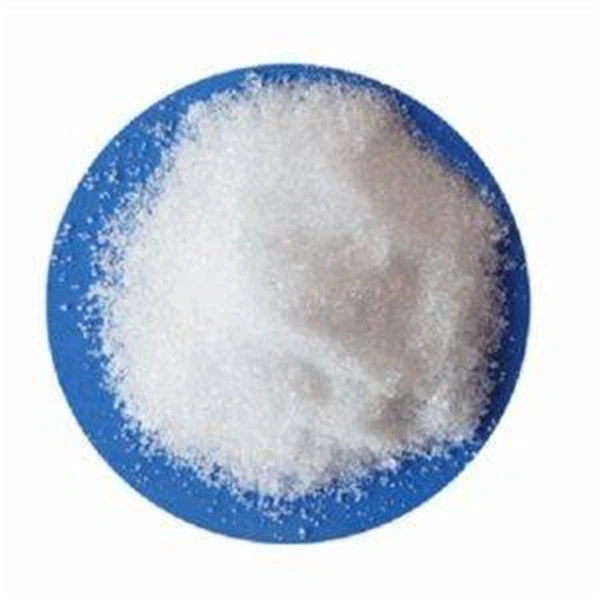
2,2-Dibromo-3-nitrilopropionamide
2,2-Dibromo-3-nitrilopropionamide, also known as DBNPA, is an effective biocide widely used in the industry to control bacteria, fungi, and algae. While some may worry about the use of biocides in industrial applications, DBNPA has proven to be a safe and reliable solution. DBNPA is a highly...

Chemical Name: 2.2-Dibromo-3-Nitrilopropion Amide
Product Name: DBNPA
CAS No.: 10222-01-2
Molecular Formula: C3H2N2OBr2

Bronopol is a chemical substance that has attracted much attention recently. It is widely used in the fields of disinfection, sterilization and antisepsis. Its mechanism of action is by damaging the cell membranes of microorganisms, thereby killing them. Although Bronopol is widely used in...

DBNPA is a highly efficient disinfectant and is widely used in many fields. It can quickly and completely eliminate a variety of bacteria and microorganisms to ensure hygienic quality. Due to its powerful bactericidal effect and safety and reliability, DBNPA is widely used in the field of...

DBNPA 20% is an effective antiseptic that helps us maintain cleanliness and hygiene in our daily lives. It is suitable for various occasions, such as swimming pools, water treatment systems and factories, etc.

Chemical Name: 2.2-Dibromo-3-Nitrilopropionamide
Common Name: DBNPA
CAS No.: 10222-01-2
Molecular Formula: C3H2N2OBr2

1. DBNPA assay is 95% min, water o.5% min, white tablet, PH5-7.
2. Two specifications, 20g/tablet and 100g/tablet.
3. Tablet has long acting and sustained release.

The appearance of DBNPA is white or almost white powder. DBNPA is almost insoluble in water, need to be dissolved by solvent before use. DBNPA is environmental friendly antimicrobial, the final decomposition products of DBNPA are CO2 and bromine ion.
DBNPA or 2,2-dibromo-3-nitrilopropionamide is a quick-kill biocide that easily hydrolyzes under both acidic and alkaline conditions. It is preferred for its instability in water as it quickly kills and then quickly degrades to form a number of products, depending on the conditions, including ammonia, bromide ions, dibromoacetonitrile, and dibromoacetic acid.DBNPA acts similar to the typical halogen biocides.DBNPA is used in a wide variety of applications. Some examples are in papermaking as a preservative in paper coating and slurries. It is also used as slime control on paper machines, and as a biocide in hydraulic fracturing wells and in cooling water.
Benefits of DBNPA
Broad spectrum, fast and efficient sterilization performance
2,2-Dibromo-3-nitriloproionamide has a broad spectrum of bactericidal properties. It has a good killing effect on bacteria, fungi, yeast, algae, biological slime and pathogenic microorganisms that threaten human health.2,2-Dibromo-3-nitriloproion amide (DBNPA) is characterized by extremely fast sterilization and high efficiency. The sterilization rate can reach over 99% in 5~10 minutes. It was compared to the other three biocides. The results showed that when the same bactericidal effect was achieved, 2,2-Dibromo-3-nitriloproion amide was used at a dose of the only 7.5ppm, which is much lower than the other three fungicides.
Good inhibition of peeling on biofilms
When this biocide is added to the system, its active components act rapidly on planktonic microorganisms. It can be quickly sterilized. At the same time, the permeability of organic bromine is good. The active component of the agent rapidly penetrates the metal surface. Acts on smaller microbial communities. It allows rapid depolymerization and prevents the formation of biofilms.For systems that have formed biofilms, the active components do not react with the slime layers in the biofilm. It quickly penetrates deeper into the biofilm. A microbial community acting at the junction of a biofilm and a metal surface. Destruction of its viscosity causes the biofilm to fall off.
Effectively kill Legionella
The control effect of 2,2-Dibromo-3-nitriloproion amide (DBNPA) on Legionella is very significant.Studies have shown that 2~5 mg/L of this biocide (effective), can reduce Legionella 5-6 logs within 3 hours. 2~4 mg/L (effective) can reduce Legionella by 6 logs for 2 hours. For Legionella in biofilms. 10 mg/L (effective), 12 hours can completely kill Legionella. Additional data indicate that low doses of organic bromine and glutaraldehyde are used in combination. Legionella in biofilms can be lowered to undetectable levels.
Rapid degradation
2,2-Dibromo-3-nitriloproionamide is rapidly degraded to carbon dioxide, ammonia and bromine salts upon completion of bactericidal action. It does not cause the enrichment of harmful ions in the water. There is no impact on the environment, so emissions are not restricted. This is a distinguishing feature of organic bromine biocides that distinguish them from other non-oxidizing biocides.
1. DBNPA is extremely versatile and can be used as a disinfectant and water treatment agent as well as as a preservative and fungicide, as well as a stick and algaecide. With the strengthening of human environmental awareness, the application prospect of DBNPA will be even broader.
2. 2,2-Dibromo-3-nitrilopropionamide (DBNPA) has a broad spectrum of bactericidal properties, and it is comparable to bacteria, fungi, yeasts, algae, biofouling, and pathogenic microorganisms that threaten human health. Good kill effect.

How to Choose DBNPA
Biocides and preservatives are regulated by the EPA to be used only in the approved (tested) applications listed on the EPA label's direction of use section. Therefore, ensure that your product category, type, or application is approved/ mentioned on the label.
The performance of non-oxidizing biocides is typically dependent on the pH of the final product. Thus, it is vital to ensure that you use the biocides within their stable pH range. Otherwise, the preservative will undergo rapid degradation and might see microbial growth or spoilage issues.
High temperatures can accelerate the breakdown of the biocides' active ingredient/s, especially if the temperature is higher than 40°C (≈ 100°F). If you expect poor storing conditions or exposure to high-temperature environments, you might need to choose a preservative with high-temperature stability.
Non-oxidizing biocides are widely used as preservatives due to their long-term stability and protection over long storage periods with minimal degradation. Meanwhile, oxidizing biocides degrade quickly and might not protect the product throughout its lifetime. However, most non-oxidizing preservatives are sensitive to the presence of strong oxidizing and reducing agents, including chlorine, ammonia, and more.
Our Factory

FAQ
Hot Tags: dbnpa, China dbnpa suppliers, manufacturers, factory, 7753 60 8, BRONOPOL Antimicrobial, fungicide powders, 55406 53 6, Glutaraldehyde Biocide, Water Treatment Chemicals


Send Inquiry
