


BBIT Microbiocide
A BBIT microbiocide is any biocidal compound or substance with the purpose of reducing the infectivity of microbes, such as viruses or bacteria.
Runxin was found in 2002, is located in The City of Peony, Heze, Shandong PR, China, covers 20,000 m2 land. We are specializing in the manufacturer industrial biocides and pharmaceutical intermediates, have a complete set of testing instruments. We own large water treatment system and exhaust gas recovery system by ourselves, advanced waste treatment system is building..ince the year of 2002, Runxin got ISO cert in 2005. We have almost 20 years experience in bromine series biocides. We established good business relationship with Dow, Lanxess, Lozna, Thor from 2004 to 2007, which continues today.
Why Choose Us
Factory Strength
Runxin was found in 2002, is located in The City of Peony, Heze, Shandong PR, China, covers 20,000 m2 land. We are specializing in the manufacturer industrial biocides and pharmaceutical intermediates, have a complete set of testing instruments. We own large water treatment system and exhaust gas recovery system by ourselves, advanced waste treatment system is building.
Our certifications
Since the year of 2002, Runxin got ISO cert in 2005.
Our Product
DBNPA, BRONOPOL, CMIT/MIT, BIT, Carbohydrazide, DBNE, Nabr, TCMTB, PHMG, S-triazine, IPBC, DMDMH, MBT, Benzethonium Chloride, 5-bromo-5-nitro-1, 3-dioxane, Cyanoacetamide.
Rich experience
We have almost 20 years experience in bromine series biocides. We established good business relationship with Dow, Lanxess, Lozna, Thor from 2004 to 2007, which continues today.

Industrial grade DBNPA is a highly effective biocide that is widely used in various industrial applications. It offers excellent microbial control properties that make it an ideal choice for cleaning and sanitation purposes. DBNPA is a chlorine-free biocide, which is why it is preferred over...
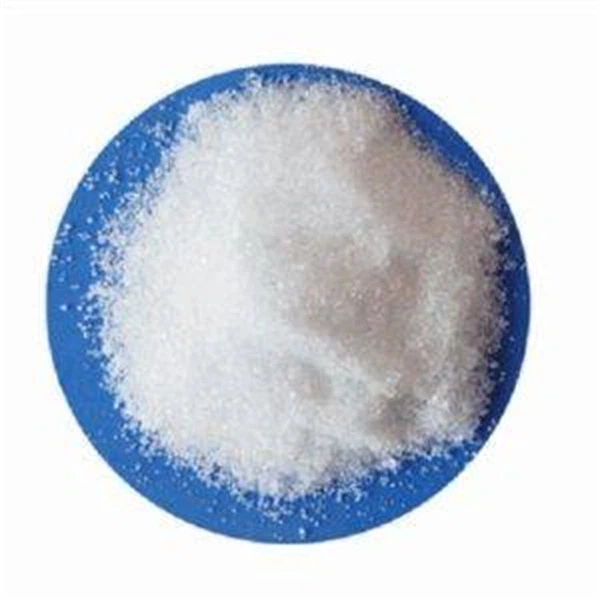
2,2-Dibromo-3-nitrilopropionamide
2,2-Dibromo-3-nitrilopropionamide, also known as DBNPA, is an effective biocide widely used in the industry to control bacteria, fungi, and algae. While some may worry about the use of biocides in industrial applications, DBNPA has proven to be a safe and reliable solution. DBNPA is a highly...

Chemical Name: 2.2-Dibromo-3-Nitrilopropion Amide
Product Name: DBNPA
CAS No.: 10222-01-2
Molecular Formula: C3H2N2OBr2

Bronopol is a chemical substance that has attracted much attention recently. It is widely used in the fields of disinfection, sterilization and antisepsis. Its mechanism of action is by damaging the cell membranes of microorganisms, thereby killing them. Although Bronopol is widely used in...

DBNPA is a highly efficient disinfectant and is widely used in many fields. It can quickly and completely eliminate a variety of bacteria and microorganisms to ensure hygienic quality. Due to its powerful bactericidal effect and safety and reliability, DBNPA is widely used in the field of...

DBNPA 20% is an effective antiseptic that helps us maintain cleanliness and hygiene in our daily lives. It is suitable for various occasions, such as swimming pools, water treatment systems and factories, etc.

Chemical Name: 2.2-Dibromo-3-Nitrilopropionamide
Common Name: DBNPA
CAS No.: 10222-01-2
Molecular Formula: C3H2N2OBr2

1. DBNPA assay is 95% min, water o.5% min, white tablet, PH5-7.
2. Two specifications, 20g/tablet and 100g/tablet.
3. Tablet has long acting and sustained release.

The appearance of DBNPA is white or almost white powder. DBNPA is almost insoluble in water, need to be dissolved by solvent before use. DBNPA is environmental friendly antimicrobial, the final decomposition products of DBNPA are CO2 and bromine ion.
A BBIT microbiocide is any biocidal compound or substance with the purpose of reducing the infectivity of microbes, such as viruses or bacteria. The application of a microbiocide is usually a secondary step following cleaning, or in some cases a supplementary factor in conjunction with the chemical/physical cleaning. Microbiocides are used for the protection of materials from forming biofilm and bio-corrosion. Microbiocides also inhibit slime formation and microbiologically induced corrosion.
Benefits Of BBIT Microbiocide
Protection from disease
Can help to protect you from harmful microorganisms that can cause disease.
Increased safety
Can help to reduce the risk of fires and explosions by preventing the growth of flammable and combustible materials.
However, it is important to note that biocides can also have some drawbacks. Some of the risks include:
Toxicity
Can be toxic to humans and other animals. It is important to use biocides carefully and according to the instructions on the label.
Environmental impact
Can have a negative impact on the environment. It is important to choose biocides that are safe for the environment and that are not likely to pollute water or soil.
Resistance
Overuse of biocides can lead to the development of resistance in microorganisms. This means that the microorganisms become less susceptible to the effects of the biocide, and it may be necessary to use higher concentrations or more frequent applications of the biocide to achieve the desired effect.
Types of BBIT Microbiocide
Chlorine (sodium hypochlorite)
Chlorine is one of the most widely used biocides mainly due to the fact it is relatively inexpensive and readily available. While it is typically the lowest cost option, due to its high volatile and oxidative state, it can be aggressive to the metals that make up your piping systems. It has been known to cause corrosion specifically in domestic water piping and cooling tower systems when not fed at proper dosages. Chlorine can also form THM (trihalomethanes), a cancer-causing by-product.
Stabilized Bromine
Stabilized bromine is used for the disinfection of cooling towers and is a good choice for spas and other situations with warmer water. Bromine is more costly than chlorine, but more stable in the warmer temperatures. It has less odor and is also less irritating to the skin. It works in a wider range of pH levels and dissolves slowly so you can maintain water quality for a longer time period.
Chlorine Dioxide
Chlorine dioxide, a molecule used in both domestic water and process water treatment, is a chlorine-based chemistry. Its ability to be successful in all types of makeup water make it an attractive choice. It can penetrate both sessile and planktonic levels of the biofilm. While it is less aggressive than chlorine, its stability in hot water is less than desirable. Another potential drawback is that a generator may be required to produce the chemical on site.
Monochloramine
Monochloramines are the most stable of the three chlorine-based disinfectants. Not only does the stability help with efficacy and ability to stay in solution for long periods of time, but it is proven to be the least corrosive chlorine-based chemistry. Its primary function is in disinfecting drinking water and penetrating biofilm in healthcare domestic hot water systems.
Water treatment
Bbit microbiocide for water treatment are used to disinfect drinking water, swimming pools, and other water supplies. They can also be used to prevent the growth of algae and other microorganisms in water tanks and pipes.
Healthcare
Bbit microbiocide are used to disinfect medical equipment, surfaces, and hands. They can also be used to treat infections in wounds and burns.
Industry
Bbit microbiocide are used to protect materials from corrosion and decay due to microbiological induced corrosion. They can also be used to clean and deodorize surfaces.

How to Choose BBIT Microbiocide
Contact time
This is only appropriate for biocides used during a biocidal flushing procedure. A biocide must be selected which works optimally within the timescale of the actual biocidal flushing process.
PH
Biocides also have an optimum pH range for use, above and below which rapid degradation of the biocide will occur.Compatibility with the other chemicals present within the system particularly the corrosion inhibitor formulation and glycols.
Concentration
All our biocides have recommended dose rates. You will need to know the system volume to ensure accurate dosing of the correct amount of biocide.
Presence of biofilm
If high levels of biofilm are present dosing a biocide in conjunction with a bio-dispersant may prove most effective.
Temperature
Most biocides have an optimum temperature range for use, above which rapid degradation will occur.
Broad spectrum of activity
The biocide must work effectively against the bacteria causing a problem within the system.
1. Read the label. Check the hazard symbols and indications.
2. Strictly adhere to the precautionary statements.
3. Protect yourself according to the instructions. Wear suitable protective clothing and, if necessary, gloves, a face mask and/or safety goggles. For some products, for example, nitrile gloves offer a different type of protection than rubber or latex gloves. Wash clothing and clean protective equipment after use or throw them away.
4. Air the room properly. If possible, keep a window open while working.
5. Take regular breaks when working in confined spaces.
6. Do not eat, smoke or drink while working.
7. Keep flammable products away from fire and other heat sources.
8. Keep children and other persons away while using the biocidal product as well as afterwards as long as a risk is present (e.g. while the product is drying, if rinsing is still needed, etc.).
9. Keep baits such as mouse pellets, ant bait boxes, etc. out of the reach of children.
10. Make sure that food and beverages are effectively shielded from the product.
11. Never pour a biocidal product into another container. This increases the risk of accidental poisoning.
12. Strictly follow the indicated quantities. Using too much of a product does not lead to a better result - in fact, it's quite the contrary!
Our Factory

FAQ
Hot Tags: bbit microbiocide, China bbit microbiocide suppliers, manufacturers, factory, 4 4 19, antimicrobial powders, 2 Methyl 4 Isothiazolin 3 One Biocide, Water Treatment Chemicals, CARBOHYDRAZIDE Deoxident, 55406 53 6




Send Inquiry
