


Δ-Lactone
Why Choose Us High-quality products Our team of professionals ensures that our products meet the highest quality standards. Advanced Technology Our company utilizes advanced technology and modern equipment to produce the best quality products.
Why Choose Us
High-quality products
Our team of professionals ensures that our products meet the highest quality standards.
Advanced Technology
Our company utilizes advanced technology and modern equipment to produce the best quality products.
Customer-oriented approach
We are committed to providing excellent customer service. We listen to our customers' needs and deliver on our promises.
Cutting-edge technology
We continuously invest in research and development to stay ahead of the competition.
What Is Δ-Lactone?
Δ-Lactone is a cyclic ester composed of a hydroxyl group and a carbonyl group forming a ring structure. It can be formed by acid catalyzed or enzymatic cyclization of a hydroxy acid. Lactones are often found in nature and are responsible for the flavors and fragrances of many fruits and flowers. They are also used in the synthesis of pharmaceuticals and other chemicals.


Flavor and Fragrance: Lactones are widely used as flavoring agents in the food industry due to their ability to provide fruity, creamy, and buttery flavors. They contribute to the characteristic taste and aroma of many fruits, such as peaches, pineapples, and coconuts. Lactones are also utilized in the production of perfumes and cosmetics to add pleasant scents.
Stability: Lactones are generally more stable than their corresponding open-chain esters. The cyclic structure of lactones provides protection to the ester bond, making them less prone to hydrolysis and other chemical reactions. This stability allows lactones to retain their flavor and fragrance properties for longer periods.
Controlled Release: Lactones can be used as prodrugs, which are inactive compounds that can be converted into active forms in the body. The cyclic structure of lactones can protect the active moiety, preventing premature release. Upon hydrolysis or enzymatic cleavage, lactones can be converted into the active form, allowing for controlled release and targeted delivery of drugs or other bioactive compounds.
Chemical Reactivity: Lactones can undergo various chemical reactions, such as hydrolysis, reduction, and ring-opening reactions. These reactions provide opportunities for the synthesis of diverse compounds with different functionalities. Lactones can serve as versatile building blocks in organic synthesis, enabling the formation of complex molecules.
Biodegradability: Lactones are generally biodegradable, meaning they can be broken down by natural processes into simpler, environmentally friendly compounds. This property makes lactones attractive for applications where sustainability and environmental impact are important considerations.
Structural Diversity: Lactones can exist in different ring sizes, ranging from three-membered to eight-membered rings. This structural diversity allows for the creation of lactones with varying properties and reactivities. Different lactones can exhibit distinct flavors, fragrances, and chemical behaviors, providing versatility in their applications.
Types of Δ-Lactone

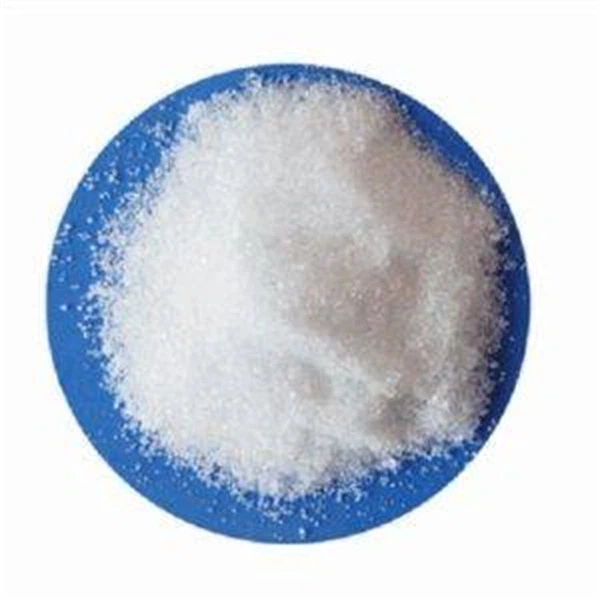


γ-Decalactone: This lactone has a peach-like aroma and is commonly found in peaches, apricots, and strawberries. It is used as a flavoring agent in the food industry and as a fragrance in perfumes and cosmetics.
δ-Decalactone: This lactone has a creamy, coconut-like aroma and is commonly found in coconuts, peaches, and apricots. It is used as a flavoring agent in the food industry and as a fragrance in perfumes and cosmetics.
γ-Nonalactone: This lactone has a creamy, coconut-like aroma and is commonly found in coconuts, peaches, and apricots. It is used as a flavoring agent in the food industry and as a fragrance in perfumes and cosmetics.
δ-Nonalactone: This lactone has a creamy, coconut-like aroma and is commonly found in coconuts, peaches, and apricots. It is used as a flavoring agent in the food industry and as a fragrance in perfumes and cosmetics.
γ-Undecalactone: This lactone has a creamy, peach-like aroma and is commonly found in peaches, apricots, and strawberries. It is used as a flavoring agent in the food industry and as a fragrance in perfumes and cosmetics.
δ-Undecalactone: This lactone has a creamy, peach-like aroma and is commonly found in peaches, apricots, and strawberries. It is used as a flavoring agent in the food industry and as a fragrance in perfumes and cosmetics.
γ-Dodecalactone: This lactone has a creamy, coconut-like aroma and is commonly found in coconuts, peaches, and apricots. It is used as a flavoring agent in the food industry and as a fragrance in perfumes and cosmetics.
δ-Dodecalactone: This lactone has a creamy, coconut-like aroma and is commonly found in coconuts, peaches, and apricots. It is used as a flavoring agent in the food industry and as a fragrance in perfumes and cosmetics.
Process of Δ-Lactone
Enzymatic Process: Enzymatic processes are commonly used to produce Δ-lactones from precursor compounds. Enzymes, such as lipases or esterases, catalyze the conversion of esters or acids into lactones. The reaction typically involves the hydrolysis of the ester bond followed by intramolecular cyclization to form the lactone ring. Enzymatic processes are often preferred due to their high selectivity and mild reaction conditions.
Chemical Process: Chemical processes involve the use of chemical reagents to convert precursor compounds into Δ-lactones. One common method is the acid-catalyzed cyclization of hydroxy acids or hydroxy esters. The acid catalyst promotes the intramolecular esterification reaction, resulting in the formation of the lactone ring. Chemical processes may require harsh reaction conditions and can be less selective compared to enzymatic methods.
Microbial Process: Microorganisms, such as bacteria or fungi, can produce Δ-lactones through fermentation processes. These microorganisms naturally produce enzymes that catalyze the conversion of precursor compounds into lactones. For example, certain strains of yeast can convert fatty acids or fatty acid derivatives into Δ-lactones. Microbial processes can be advantageous as they offer a sustainable and environmentally friendly approach to lactone production.
Isolation and Purification: Once the lactone is formed, it needs to be isolated and purified from the reaction mixture. This typically involves separation techniques such as extraction, distillation, or chromatography. The lactone is separated from other reaction by-products and impurities to obtain a pure product.
Characterization and Application: After isolation and purification, the Δ-lactone is characterized using analytical techniques such as spectroscopy or chromatography to confirm its structure and purity. The lactone can then be used in various applications, such as flavor and fragrance industries, pharmaceuticals, or as intermediates in organic synthesis.
Production Methods of Δ-Lactone
Acid-catalyzed cyclization: This method involves the cyclization of a precursor compound containing a carboxylic acid group and an alcohol group. Under acidic conditions, the carboxylic acid group reacts with the alcohol group to form a cyclic ester, which is the lactone. The reaction is typically carried out in the presence of a strong acid catalyst, such as sulfuric acid or p-toluenesulfonic acid.
Enzymatic synthesis: Enzymes, such as lipases, can catalyze the formation of lactones from precursor compounds. This method is often used for the production of natural lactones, as enzymes can provide high selectivity and mild reaction conditions. The reaction typically involves the esterification of a carboxylic acid with an alcohol, followed by intramolecular cyclization to form the lactone.
Ring-closing metathesis: This method involves the use of a catalyst, such as a transition metal complex, to promote the cyclization of a precursor compound. Ring-closing metathesis is particularly useful for the synthesis of large lactones with a high degree of ring strain. The reaction typically involves the reaction of a diene or an ene with a suitable catalyst to form the lactone ring.
Oxidative cyclization: In this method, a precursor compound containing a suitable functional group, such as an alcohol or an aldehyde, is oxidized to form the lactone. The oxidation can be carried out using various oxidizing agents, such as peracids or metal catalysts. The reaction conditions can be adjusted to control the selectivity and yield of the lactone.
Grignard reaction: This method involves the reaction of a Grignard reagent with a precursor compound containing a carbonyl group. The reaction leads to the formation of an intermediate alkoxide, which can undergo intramolecular cyclization to form the lactone. This method is particularly useful for the synthesis of lactones with a large ring size.
Components of Δ-Lactone
Δ-Lactone is a chemical compound that consists of four main components: a lactone ring, a carbonyl group, an oxygen atom, and a double bond.
Lactone Ring
The lactone ring is a cyclic ester that has one oxygen atom and is formed by the loss of a water molecule from a carboxylic acid. It is a five or six-membered ring that can be open or closed depending on the pH or other environmental factors.
Carbonyl Group
The carbonyl group is a functional group that consists of a carbon atom double-bonded to an oxygen atom and is present in the lactone ring. It is responsible for the reactivity of the compound towards various nucleophiles and its ability to undergo hydrolysis.
Oxygen Atom
The oxygen atom in the lactone ring is an important component that defines the structure of the molecule. It is responsible for the ring formation and the formation of hydrogen bonds with other molecules.
Double Bond
The double bond in Δ-Lactone is a component that makes it an unsaturated compound. It is formed between two carbon atoms and is responsible for the physical and chemical properties of the compound, such as its boiling point and solubility in different solvents.
Storage: The best way to store Δ-Lactone is in a cool, dry place. Exposure to sunlight and high temperatures can cause the lactone to degrade and lose its potency. It is recommended to store it in an airtight container to prevent oxidation.
Handling: It is important to handle Δ-Lactone with care. Avoid direct contact with your skin or eyes, as it can cause irritation. Always wear gloves and goggles when handling the lactone.
Compatibility: Δ-Lactone is compatible with most cosmetic and food ingredients. However, some chemicals can affect its stability. It is recommended to test the compatibility of Δ-Lactone with other ingredients before using it in a final product.
PH: Δ-Lactone is sensitive to changes in pH. It is recommended to use it in a product with a pH between 3.5 and 7.0. High pH levels can cause lactone hydrolysis, which can lead to the formation of undesirable compounds.
Shelf Life: Δ-Lactone has a limited shelf life, typically between 12-24 months. It is recommended to use it within this time frame to ensure its quality and potency.
Our Factory
Runxin was found in 2002, is located in The City of Peony, Heze, Shandong PR, China, covers 20,000 m2 land. We are specializing in the manufacturer industrial biocides and pharmaceutical intermediates, have a complete set of testing instruments. We own large water treatment system and exhaust gas recovery system by ourselves, advanced waste treatment system is building.

FAQ
Q: What is Δ-lactone?
Q: How is Δ-lactone produced?
Q: What are the main uses of Δ-lactone?
Q: Is Δ-lactone safe for consumption?
Q: Can Δ-lactone be used in cosmetics?
Q: What are some common food products that contain Δ-lactone?
Q: Does Δ-lactone have any health benefits?
Q: How is a Δ-lactone formed?
Q: What is the molecular structure of Δ-lactone?
Q: Can Δ-lactone be used in pharmaceuticals?
Q: Is Δ-lactone flammable?
Q: What is the shelf life of Δ-lactone?
Q: Is Δ-lactone water-soluble?
Q: What is the odor and taste of Δ-lactone?
Q: Can Δ-lactone cause allergies?
Q: Is Δ-lactone biodegradable?
Q: Can Δ-lactone be used as a solvent?
Q: What are some common Δ-lactones?
Q: Is Δ-lactone a natural compound?
Q: What are some common trade names for Δ-lactone?
Hot Tags: δ-lactone, China δ-lactone suppliers, manufacturers, factory, reliable supply chain steroid intermediate, 16alpha Methyl Epoxide 8DM, 7753 60 8, 1 5 Dioxo 7a methyl 3aa hexahydroindane 4a propionic Acid, BRONOPOL Antimicrobial, Tetraene Acetate


Send Inquiry
