


Sodium Bromide
Why Choose Us High-quality products Our team of professionals ensures that our products meet the highest quality standards. Advanced Technology Our company utilizes advanced technology and modern equipment to produce the best quality products.
Why Choose Us
High-quality products
Our team of professionals ensures that our products meet the highest quality standards.
Advanced Technology
Our company utilizes advanced technology and modern equipment to produce the best quality products.
Customer-oriented approach
We are committed to providing excellent customer service. We listen to our customers' needs and deliver on our promises.
Cutting-edge technology
We continuously invest in research and development to stay ahead of the competition.
What Is Sodium Bromide?
Sodium bromide is a chemical compound with the formula NaBr. It is a colorless, odorless, and crystalline salt that is soluble in water and readily forms an aqueous solution. Sodium bromide is commonly used as a disinfectant, sedative, and photographic film developer. It is also used in the oil and gas industry to prepare drilling fluids and completion fluids. Moreover, sodium bromide is a versatile reagent that has application in many other chemical reactions.


Advantages of Sodium Bromide
Medicinal uses
Sodium bromide has been used in the medical field as an anticonvulsant and sedative. It has been used to treat epilepsy and other seizure disorders.
Photography
Sodium bromide has been used in the past as a component in photographic film and paper. It was used to sensitize the silver halide crystals, allowing them to react to light and create an image.
Water treatment
Sodium bromide is used in water treatment processes, particularly in hot tubs and spas. It helps to control and prevent the growth of bacteria and algae in the water.
Oil and gas industry
Sodium bromide is used in the oil and gas industry as a completion fluid. It helps to control the pressure and prevent the collapse of the wellbore during drilling operations.
Fire retardant
Sodium bromide has fire-retardant properties and has been used in the past as a flame retardant in certain applications.
Chemical synthesis
Sodium bromide is used in various chemical synthesis processes, including the production of pharmaceuticals, dyes, and other organic compounds.
Chemical composition: Sodium bromide is an inorganic compound with the chemical formula NaBr. It consists of sodium cations (Na+) and bromide anions (Br-).
Physical properties: Sodium bromide is a white, crystalline solid that is highly soluble in water. It has a high melting point of around 747 degrees Celsius (1377 degrees Fahrenheit).
Odor and taste: Sodium bromide is odorless and has a salty taste, similar to other salts.
Solubility: Sodium bromide is highly soluble in water, with a solubility of approximately 121 grams per 100 milliliters of water at 20 degrees Celsius (68 degrees Fahrenheit).
Stability: Sodium bromide is relatively stable under normal conditions. However, it can decompose at high temperatures, releasing toxic bromine gas.
Toxicity: Sodium bromide is considered to be relatively low in toxicity. However, it should still be handled with care and proper safety precautions should be taken, as it can cause irritation to the skin, eyes, and respiratory system.
Reactivity: Sodium bromide is not highly reactive. It is generally stable when exposed to air and does not readily react with other common chemicals.
Uses: Sodium bromide has various applications, including in the medical field as an anticonvulsant and sedative, in water treatment processes, in the oil and gas industry, and in chemical synthesis.
Classification of Sodium Bromide

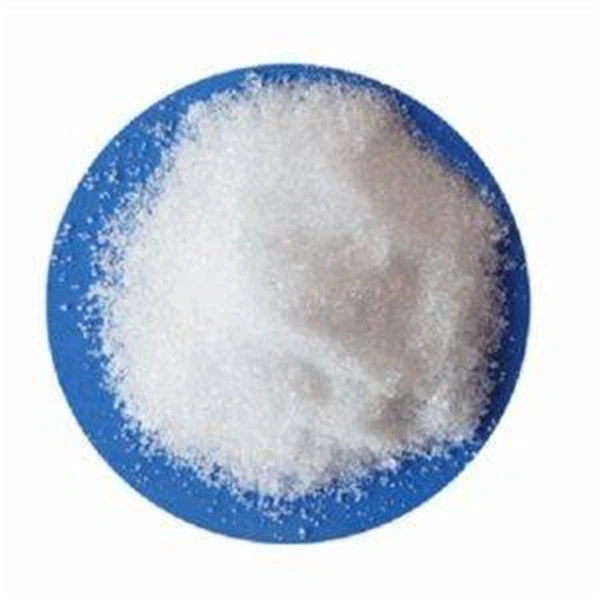


Sodium bromide is classified as an inorganic compound. Inorganic compounds are substances that do not contain carbon-hydrogen (C-H) bonds. They are typically composed of elements other than carbon, such as metals, nonmetals, or metalloids.
Sodium bromide falls under the category of salts. Salts are compounds formed when an acid reacts with a base, resulting in the formation of a positively charged ion (cation) and a negatively charged ion (anion). In the case of sodium bromide, it is formed by the reaction of sodium hydroxide (a base) with hydrobromic acid (an acid).
The chemical formula for sodium bromide is NaBr, indicating that it consists of one sodium ion (Na+) and one bromide ion (Br-). Sodium bromide is an ionic compound, meaning that it is held together by ionic bonds, which are formed through the electrostatic attraction between positively and negatively charged ions.
Sodium bromide is also classified as a halide compound. Halides are a group of compounds that contain halogen elements, such as fluorine (F), chlorine (Cl), bromine (Br), iodine (I), and astatine (At). Sodium bromide specifically contains the halogen element bromine.
In terms of its physical properties, sodium bromide is a white, crystalline solid with a high melting point of approximately 755 degrees Celsius (1,391 degrees Fahrenheit). It is highly soluble in water, with a solubility of about 121 grams per 100 milliliters of water at 20 degrees Celsius (68 degrees Fahrenheit). This high solubility makes sodium bromide an effective source of bromide ions in various applications.
Sodium bromide is commonly used as a source of bromide ions in water treatment processes. It is added to water to control algae and bacterial growth, as well as to disinfect the water. The bromide ions can react with other chemicals, such as chlorine, to form bromine, which acts as a disinfectant.
In addition to water treatment, sodium bromide finds applications in other industries as well. It is used in oil and gas drilling fluids as a density control agent and to prevent clay swelling. Sodium bromide is also used in some pharmaceutical formulations, particularly as an anticonvulsant. It has been historically used in photography as a component of photographic emulsions, although its use has declined with the rise of digital photography.
In terms of safety, sodium bromide is relatively low in toxicity. However, it is still important to handle it with care and follow proper safety precautions. This includes wearing appropriate personal protective equipment (PPE), working in a well-ventilated area, and avoiding ingestion or direct contact with the skin or eyes.
Oil and gas industry
Sodium bromide is used as a completion fluid in oil and gas wells to control the formation pressure and prevent the inflow of formation fluids.
Water treatment
Sodium bromide is used as a disinfectant and water treatment chemical to eliminate bacteria and other harmful microorganisms in water.
Pharmaceutical industry
Sodium bromide is used in the production of medicines, such as sedatives and antiepileptic drugs, due to its calming and relaxing effects.
Industrial cleaning
Sodium bromide is used as an oxidizing agent in industrial cleaning products.
Food industry
Sodium bromide is used as a preservative in some foods, such as pickles and sauerkraut.
Photography industry
Sodium bromide is used in black and white photography to sensitize the silver grains in photographic emulsions.
Chemical formula: NaBr
Molecular weight: 102.89 g/mol
Appearance: Sodium bromide is a white, crystalline solid.
Solubility: It is highly soluble in water, with a solubility of approximately 904 g/L at 20°C.
Melting point: Sodium bromide has a melting point of 755°C.
Boiling point: It has a high boiling point of 1,390°C.
Density: The density of sodium bromide is approximately 3.21 g/cm³.
Odor: It is odorless.
Taste: Sodium bromide has a salty taste.
Conductivity: It is a good conductor of electricity when dissolved in water.
pH: Aqueous solutions of sodium bromide are neutral, with a pH close to 7.
Stability: Sodium bromide is stable under normal conditions but may decompose at high temperatures, releasing toxic bromine gas.
Hygroscopicity: It has hygroscopic properties, meaning it can absorb moisture from the air.
Toxicity: Sodium bromide is relatively low in toxicity, but it should still be handled with care and proper safety precautions.
Personal Protective Equipment (PPE): Always wear appropriate PPE when handling sodium bromide. This includes gloves, safety glasses or goggles, and a lab coat or protective clothing. PPE helps protect your skin, eyes, and clothing from potential contact with sodium bromide.
Ventilation: Work in a well-ventilated area or use a fume hood when handling sodium bromide. This helps to prevent the inhalation of dust or vapors that may be released during handling. Adequate ventilation helps maintain a safe working environment.
Avoid Ingestion: Sodium bromide should never be ingested. It is important to avoid eating, drinking, or smoking in areas where sodium bromide is being handled. Wash your hands thoroughly after handling sodium bromide to prevent accidental ingestion.
Storage: Store sodium bromide in a cool, dry place away from incompatible materials. Keep it in a tightly sealed container to prevent moisture absorption. Sodium bromide should be stored separately from acids, oxidizers, and reducing agents to avoid potential reactions.
Compatibility: Do not mix sodium bromide with other chemicals unless you are certain they are compatible. Mixing incompatible substances can lead to hazardous reactions or the release of toxic gases. Always consult the appropriate safety data sheets (SDS) and follow the manufacturer's recommendations.
Skin and Eye Contact: In case of skin contact, immediately remove contaminated clothing and wash the affected area thoroughly with soap and water. If irritation or redness persists, seek medical attention. In case of eye contact, flush the eyes with plenty of water for at least 15 minutes while holding the eyelids open. Seek immediate medical attention.
Spills and Leaks: In the event of a spill or leak, take appropriate measures to contain the material and prevent it from spreading. Avoid direct contact with the spilled material. Use absorbent materials, such as vermiculite or sand, to soak up the spill. Dispose of the contaminated material according to local regulations.
Disposal: Dispose of sodium bromide in accordance with local regulations and guidelines. Do not dispose of it in regular trash or pour it down the drain. Contact your local waste management facility for proper disposal methods.
Emergency Procedures: Familiarize yourself with emergency procedures and have appropriate safety equipment readily available, such as eyewash stations and safety showers. Ensure that all personnel working with sodium bromide are aware of the emergency procedures and know how to respond in case of an accident or exposure.
Training and Knowledge: Ensure that all personnel handling sodium bromide are properly trained and knowledgeable about its properties, hazards, and safe handling procedures. Regular training and refresher courses can help reinforce safety practices and minimize the risk of accidents.
Our Factory
Runxin was found in 2002, is located in The City of Peony, Heze, Shandong PR, China, covers 20,000 m2 land. We are specializing in the manufacturer industrial biocides and pharmaceutical intermediates, have a complete set of testing instruments. We own large water treatment system and exhaust gas recovery system by ourselves, advanced waste treatment system is building.

FAQ
Q: What is Sodium Bromide?
Q: What are the uses of Sodium Bromide?
Q: Is Sodium Bromide safe?
Q: What is the state of Sodium Bromide?
Q: What is the shelf life of Sodium Bromide?
Q: Can Sodium Bromide be used in hot tubs?
Q: What are the benefits of using Sodium Bromide in oil and gas drilling?
Q: Is sodium bromide covalent or ionic?
Q: Can Sodium Bromide be used in drinking water?
Q: What is the chemical formula for Sodium Bromide?
Q: Is Sodium Bromide an acid or a base?
Q: Can Sodium Bromide be used as a flame retardant?
Q: Is Sodium Bromide soluble in water?
Q: What are the precautions for handling Sodium Bromide?
Q: What are the hazards of Sodium Bromide?
Q: Can Sodium Bromide be used as a skin medication?
Q: Does Sodium Bromide have any side effects?
Q: Can Sodium Bromide be used as a sedative?
Q: Is Sodium Bromide flammable?
Q: How is Sodium Bromide manufactured?
Hot Tags: sodium bromide, China sodium bromide suppliers, manufacturers, factory, 32289 58 0, PHMB 20 , 57028 96 3, germicide foams, 2 Methyl 4 Isothiazolin 3 One Biocide, BRONOPOL Antimicrobial




Send Inquiry
