Introduction To Water-Soluble IPBC Preservatives And Mildew Inhibitors
Mar 11, 2026
IPBC, short for 3-iodo-2-propynyl butylcarbamate, is a broad-spectrum, highly effective non-releasing heterocyclic preservative and mildew inhibitor. Water-soluble IPBC, through special hydrophilic group modification, effectively overcomes the limitation of poor water solubility of traditional IPBC. While maintaining excellent antibacterial properties, it possesses good compatibility with aqueous systems and is widely used in various fields such as daily chemicals, coatings, adhesives, and leather.
In daily chemical products, water-soluble IPBC is suitable for the following categories: shampoos, conditioners, shower gels, and other personal care products; creams, lotions, masks, and other skin care products; wet wipes, hand soaps, and other cleaning products; and various water-based daily chemical products with water-containing formulations. Its excellent water solubility allows it to be directly added to aqueous systems without the need for additional emulsifiers.
I. Core Physicochemical Properties
【Basic Properties】
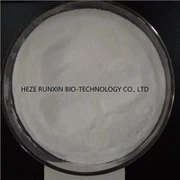
Appearance: Pale yellow to white powder or liquid, with no obvious irritating odor.
Solubility: Easily soluble in water, ethanol, propylene glycol, and other polar solvents; can be directly dispersed in aqueous systems.
Chemical Stability: Stable within the pH range of 3.0-9.0; good temperature resistance below 80℃; not easily decomposed.
Compatibility: Can be compounded with preservatives and fungicides such as Kathon, MIT, and BIT to produce synergistic effects.
【Environmental and Safety Characteristics】
Low Toxicity: Low irritation to human skin; meets relevant standards such as EU REACH and US FDA.
Non-Release Type: Not easily migrated or released; possesses long-lasting antibacterial properties; environmentally friendly.
Safe Ingredients: Free of formaldehyde, heavy metals, and other harmful substances; suitable for green and environmentally friendly product formulations.
II. Core Functions of Preservative and Antifungal Infection
【Mechanism of Action】
By targeting and inhibiting the cellular respiratory and synthetic enzymes of microorganisms, it disrupts cell membrane structure, effectively preventing the growth and reproduction of bacteria and fungi, possessing both killing and inhibitory effects.
【Antimicrobial Spectrum】
Anti-mold Properties: Highly effective against common molds such as Aspergillus niger, Penicillium, Mucor, and Trichoderma.
Anti-corrosion Properties: Significantly kills bacteria such as Escherichia coli, Staphylococcus aureus, and Pseudomonas aeruginosa.
Applications: Broad spectrum of microbial inhibition, especially suitable for products requiring anti-mold and anti-corrosion treatment in high-humidity environments.
III. Core Advantages
Good Water Solubility and Convenient Use: No emulsifiers required; can be directly added to aqueous systems, dispersing evenly without precipitation, simplifying the production process.
High Efficiency and Broad Spectrum, High Cost-Effectiveness: Excellent anti-corrosion and anti-mold effects can be achieved with low dosage; can be used in combination with other preservatives to reduce overall formulation costs.
Long-lasting and Stable, Not Prone to Deterioration: Employs a non-release mechanism of action, less prone to decrease in antimicrobial effect due to volatilization or migration, effectively extending product shelf life.
Safe and Environmentally Friendly, Wide Compatibility: Meets safety standards across multiple industries; suitable for products that come into contact with skin and mucous membranes; strong formulation compatibility.
IV. Precautions
Storage Requirements: Store in a sealed container in a cool, dry, and well-ventilated place, away from direct sunlight and strong acids and alkalis.
Handling Protection: Wear gloves, masks, and other protective equipment during handling. Avoid direct contact with skin, mouth, and nose. If contact occurs, immediately rinse with plenty of water.
Compounding Instructions: Avoid mixing with strong oxidizing substances. When compounding with other preservatives, a compatibility test must be conducted beforehand.