

Can DBNPA Tablet be used in water for pharmaceutical manufacturing?
Oct 28, 2026
Hey there! As a supplier of DBNPA Tablet, I often get asked whether it can be used in water for pharmaceutical manufacturing. So, I thought I'd write this blog to shed some light on this topic and share my insights.
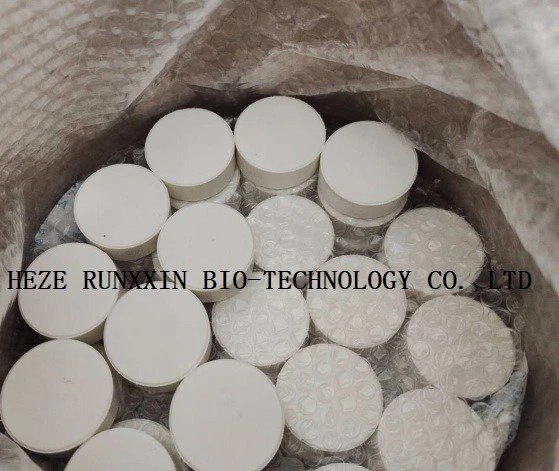
Let's start by understanding what DBNPA Tablet is. DBNPA stands for 2,2 - Dibromo - 3 - nitrilopropionamide 2,2-Dibromo-3-nitrilopropionamide. It's a powerful biocide that is widely used in various industries to control microbial growth. This compound works by releasing bromine, which is a potent disinfectant. The tablet form is convenient as it can be easily dosed into water systems.
Now, let's talk about the requirements for water used in pharmaceutical manufacturing. Pharmaceutical-grade water has to meet extremely strict standards. This water is used in almost every step of the pharmaceutical production process, from formulating drugs to cleaning equipment. The main concerns are the removal of contaminants such as bacteria, fungi, viruses, and endotoxins. Also, the water should have a low level of chemical impurities to ensure the safety and efficacy of the final pharmaceutical products.

So, can DBNPA Tablet be used in this critical water? The answer isn't a simple yes or no.
Advantages of Using DBNPA Tablet in Pharmaceutical Water
- Effective Microbial Control: DBNPA is highly effective against a broad spectrum of microorganisms. It can quickly kill bacteria, fungi, and algae. This is crucial in pharmaceutical water systems where even a small number of microbes can contaminate the entire production batch. For example, in a water storage tank used for pharmaceutical manufacturing, DBNPA Tablet can prevent the formation of biofilms on the inner surfaces of the tank. Biofilms are a major source of microbial contamination as they can harbor bacteria and release them into the water over time.
- Fast - Acting: Another great thing about DBNPA is its rapid action. Unlike some other biocides that may take hours or even days to show their effect, DBNPA starts working almost immediately after being dosed into the water. This is beneficial in pharmaceutical manufacturing where quick response to potential microbial threats is essential.
- Easy to Use: The tablet form makes it really easy to handle and dose. You don't need any complex equipment to add DBNPA to the water system. This simplifies the water treatment process and reduces the chances of human error in dosing.
Challenges and Considerations
- Residue Risk: One of the major concerns in using DBNPA in pharmaceutical water is the potential for residue. Pharmaceutical products need to be free from any harmful residues. DBNPA can break down into various by - products, and although many of these are relatively harmless, there is still a need to ensure that the levels of any remaining DBNPA or its by - products are within acceptable limits. This requires careful monitoring and testing of the water after treatment.
- Compatibility with Pharmaceutical Processes: The DBNPA and its breakdown products need to be compatible with the various pharmaceutical manufacturing processes. For example, some pharmaceutical formulations may be sensitive to the chemicals present in DBNPA or its residues. This means that before using DBNPA Tablet in the water, extensive compatibility testing should be carried out.
- Regulatory Compliance: The pharmaceutical industry is highly regulated. Using DBNPA in water for pharmaceutical manufacturing must comply with all relevant regulatory requirements. Different countries and regions may have different rules regarding the use of biocides in pharmaceutical water. For instance, the FDA in the United States has strict guidelines on the quality of water used in pharmaceutical production, and any use of DBNPA must meet these standards.
To manage these challenges, it's important to work closely with experts in both the biocide field and the pharmaceutical industry. Before introducing DBNPA Tablet into your water system, a detailed risk assessment should be done. This includes analyzing the water quality, the specific manufacturing processes, and the regulatory environment.
It's also worth comparing DBNPA with other biocides that are commonly used in the industry. For example, IPBC Preservative is another well - known biocide. IPBC is more suitable for some applications where a slower - acting but long - lasting biocide is needed. In contrast, DBNPA is better for situations that require rapid microbial control.
Another comparison can be made with Sodium Bromide. Sodium Bromide is often used as a source of bromine in some water treatment processes. However, DBNPA has the advantage of being more targeted in its action and can be dosed more precisely due to its tablet form. OIT Biocide is yet another option. OIT is useful in some industrial applications, but it may not be as effective as DBNPA against certain types of microorganisms commonly found in pharmaceutical water.
In many cases, a combination of different biocides may be the best approach. For example, you could use DBNPA for quick initial control and then follow up with a more long - lasting biocide to maintain the microbial levels in the water.
If you're still wondering whether DBNPA Tablet is the right choice for your pharmaceutical water system, I'd be more than happy to help. We've got a lot of experience in providing DBNPA Tablet for different applications, and our team can assist you in making an informed decision. We can help you with the risk assessment, dosage calculations, and ensuring regulatory compliance.
If you're interested in learning more, or if you want to discuss a potential purchase, don't hesitate to reach out. Whether you're a small - scale pharmaceutical manufacturer or a large - scale operation, we're here to work with you to find the best solution for your water treatment needs.