

Is BBIT Microbiocide suitable for use in food processing plants?
Aug 05, 2026
Is BBIT Microbiocide suitable for use in food processing plants?
As a supplier of BBIT Microbiocide, I often get asked whether this product is suitable for use in food processing plants. This is a crucial question considering the strict regulations and high - standards in the food industry. In this blog, I will delve into the properties of BBIT Microbiocide, its potential benefits, and the factors to consider when using it in food processing plants.
Understanding BBIT Microbiocide
BBIT (2 - n - butyl - 3 - isothiazolone) is a well - known microbiocide that has been used in various industrial applications for its strong antimicrobial properties. It is effective against a wide range of microorganisms, including bacteria, fungi, and algae. The mechanism of action of BBIT involves disrupting the cell membranes of these microorganisms, leading to their death. This makes it a powerful tool for preventing microbial growth and contamination in different environments.

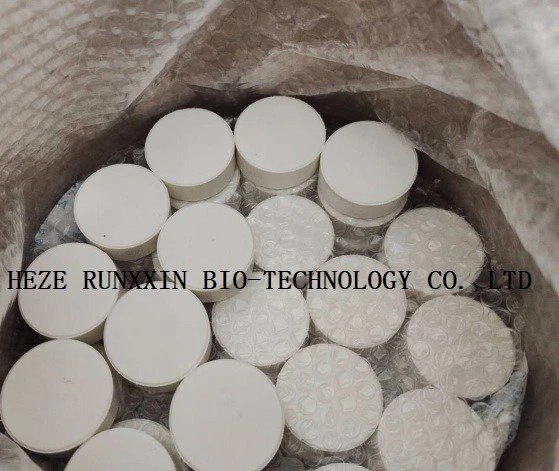
Advantages of Using BBIT Microbiocide in Food Processing Plants
- Broad - spectrum antimicrobial activity
One of the main advantages of BBIT Microbiocide is its broad - spectrum activity. In a food processing plant, there are numerous types of microorganisms that can pose a threat to food safety. Bacteria such as Salmonella, E. coli, and Listeria can cause foodborne illnesses, while fungi can lead to spoilage and the production of mycotoxins. BBIT can effectively control the growth of these diverse microorganisms, helping to maintain a clean and hygienic environment in the plant. - Low toxicity
Compared to some other microbiocides, BBIT has relatively low toxicity. This is an important consideration in food processing plants, where any chemical used must not pose a significant risk to human health. When used within the recommended concentrations, BBIT can provide effective microbial control without leaving harmful residues on food products or equipment. - Stability
BBIT Microbiocide is stable under a wide range of environmental conditions. It can maintain its antimicrobial activity in different pH levels and temperatures, which is essential in food processing plants where processes may involve varying conditions. For example, some food processing operations may require high - temperature sterilization steps, and BBIT can still remain effective in the subsequent cooling and storage phases.
Factors to Consider
- Regulatory compliance
The food industry is highly regulated, and any microbiocide used in food processing plants must comply with relevant regulations. Before using BBIT, it is necessary to ensure that it meets the requirements of local and international food safety authorities. For instance, in the United States, the Food and Drug Administration (FDA) has specific guidelines regarding the use of chemicals in food processing. It is crucial to obtain the necessary approvals and ensure that the use of BBIT is within the permitted limits. - Residue management
Although BBIT has low toxicity, it is still important to manage residues properly. In food processing, any chemical residues on food products or equipment must be minimized to ensure food safety. Adequate rinsing and cleaning procedures should be in place to remove any traces of BBIT after its use. This may require careful consideration of the application method and the concentration of the microbiocide used. - Compatibility with food products and equipment
BBIT Microbiocide must be compatible with the food products being processed and the equipment used in the plant. Some food products may be sensitive to certain chemicals, and using an incompatible microbiocide could lead to changes in the taste, texture, or quality of the food. Additionally, it is important to ensure that BBIT does not cause corrosion or damage to the equipment in the plant.
Comparison with Other Microbiocides
There are several other microbiocides available in the market, and it is useful to compare BBIT with some of them. For example, 2 - Methyl - 4 - Isothiazolin - 3 - One Biocide is another common microbiocide. While it also has broad - spectrum activity, it may have a different toxicity profile compared to BBIT. DBNPA is known for its fast - acting antimicrobial properties. However, it may be more reactive and require more careful handling. Industrial Grade DBNPA and DBNPA Tablet are different forms of DBNPA, each with its own characteristics. Sodium Bromide is also used as a biocide in some applications, but its mode of action and effectiveness may vary from that of BBIT.
Real - world Applications in Food Processing Plants
In some food processing plants, BBIT has been successfully used in water systems, such as cooling towers and process water. By controlling the microbial growth in these water systems, it helps to prevent biofilm formation, which can lead to reduced heat transfer efficiency and increased energy consumption. In addition, BBIT can be used in the cleaning and disinfection of food contact surfaces, such as conveyor belts and storage tanks.
Conclusion
BBIT Microbiocide has the potential to be a suitable option for use in food processing plants, thanks to its broad - spectrum antimicrobial activity, low toxicity, and stability. However, it is essential to carefully consider regulatory compliance, residue management, and compatibility with food products and equipment. By taking these factors into account, food processing plants can effectively use BBIT to maintain a clean and safe environment.
If you are interested in learning more about BBIT Microbiocide and how it can be applied in your food processing plant, or if you are considering a purchase, feel free to reach out for a detailed discussion. We can provide you with the necessary information and guidance to make an informed decision.
References
- "Microbiocides in the Food Industry: A Review", Journal of Food Safety, Vol. XX, Issue XX, 20XX.
- "Regulatory Guidelines for Chemical Use in Food Processing", Food and Drug Administration, 20XX.
- "Antimicrobial Properties of Isothiazolones", International Journal of Microbiology, Vol. XX, Issue XX, 20XX.