

How to optimize the use of PHMB 20%?
Dec 03, 2025
Hey there! I'm a supplier of PHMB 20%, and today I'm gonna share some tips on how to optimize the use of PHMB 20%. PHMB, or polyhexamethylene biguanide, is a powerful antimicrobial agent that's widely used in various industries. The 20% concentration is a popular choice because it offers a good balance between effectiveness and safety.
Understanding PHMB 20%
First things first, let's talk a bit about what PHMB 20% is. It's a solution where 20% of the content is PHMB, and the rest is usually water or other solvents. PHMB works by disrupting the cell membranes of microorganisms, which leads to their death. This makes it effective against a wide range of bacteria, fungi, and viruses.
One of the great things about PHMB 20% is its low toxicity. Unlike some other antimicrobial agents, it's relatively safe for humans and the environment when used correctly. That's why it's used in so many products, like disinfectants, wound care products, and even in some personal care items.
Choosing the Right Application
The key to optimizing the use of PHMB 20% is to choose the right application. Here are some common uses and how to make the most of them:
Disinfection
If you're using PHMB 20% for disinfection, it's important to follow the right dilution ratios. Different surfaces and situations may require different concentrations. For example, for general surface disinfection in a household or office setting, a dilution of 1:100 to 1:200 (PHMB 20% to water) is often sufficient. You can use a spray bottle to apply the solution evenly on the surface and let it sit for a few minutes to ensure effective disinfection.
When disinfecting medical equipment, you may need a higher concentration. A 1:50 dilution might be appropriate, but always check the manufacturer's guidelines. It's also crucial to clean the equipment thoroughly before disinfection to remove any dirt or debris that could reduce the effectiveness of the PHMB.
Wound Care
In wound care, PHMB 20% can be used to prevent infection. However, it should be diluted properly. A common dilution for wound irrigation is 1:1000. This helps to keep the wound clean and free from harmful microorganisms. It's important to note that PHMB 20% should not be used on deep or puncture wounds without consulting a medical professional.
Water Treatment
For water treatment, the dosage of PHMB 20% depends on the quality of the water and the level of contamination. In swimming pools, for example, a dosage of 0.5 - 1 ppm (parts per million) of PHMB can help to keep the water clean and safe. You can add the appropriate amount of PHMB 20% to the pool water, making sure to distribute it evenly.
In industrial water systems, the dosage may be higher. It's important to monitor the water quality regularly to adjust the dosage as needed. You can use water testing kits to check the levels of microorganisms and other contaminants.
Compatibility with Other Chemicals
Another important aspect of optimizing the use of PHMB 20% is to consider its compatibility with other chemicals. PHMB 20% is generally compatible with many common chemicals, but there are some exceptions.
For example, it should not be mixed with strong oxidizing agents like chlorine or hydrogen peroxide. Mixing them can lead to a chemical reaction that reduces the effectiveness of PHMB and may even produce harmful by - products.
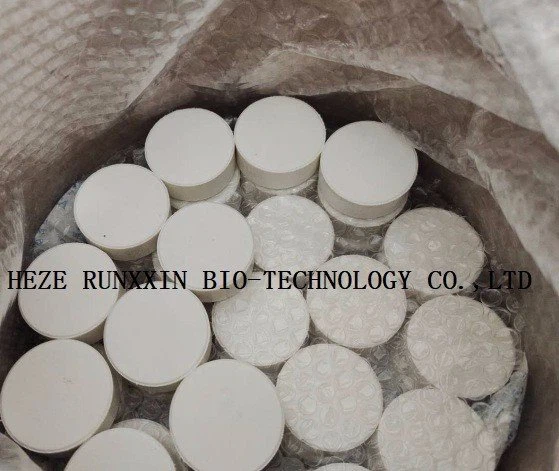
On the other hand, PHMB 20% can be used in combination with some other biocides to enhance its effectiveness. For instance, DBNPA Tablet can be used together with PHMB 20% in some water treatment applications. DBNPA is a fast - acting biocide that can quickly kill a large number of microorganisms, while PHMB provides long - term protection.
Storage and Handling
Proper storage and handling of PHMB 20% are also crucial for its optimal use. It should be stored in a cool, dry place away from direct sunlight. The container should be tightly sealed to prevent evaporation and contamination.
When handling PHMB 20%, it's important to wear appropriate personal protective equipment, such as gloves and goggles. Although it's relatively safe, direct contact with the concentrated solution can cause skin and eye irritation.
Troubleshooting
Sometimes, you may encounter some problems when using PHMB 20%. Here are some common issues and how to solve them:
Ineffectiveness
If you find that PHMB 20% is not working as effectively as expected, there could be several reasons. It could be due to improper dilution, the presence of dirt or organic matter on the surface, or the wrong application method. Check the dilution ratios and make sure to clean the surface thoroughly before application.
Foaming
In some cases, PHMB 20% may cause foaming. This can be a problem, especially in water treatment applications. You can use an antifoaming agent to reduce the foaming. However, make sure that the antifoaming agent is compatible with PHMB 20%.
Other Related Biocides
In addition to PHMB 20%, there are other biocides that you might find useful. Sodium Bromide is a common biocide that can be used in water treatment. It can react with other chemicals to form hypobromous acid, which is a powerful disinfectant.
BRONOPOL Antimicrobial is another option. It's effective against a wide range of bacteria and is often used in personal care products and industrial applications.
Conclusion
Optimizing the use of PHMB 20% involves understanding its properties, choosing the right application, considering compatibility with other chemicals, and proper storage and handling. By following these tips, you can make the most of this powerful antimicrobial agent.

If you're interested in purchasing PHMB 20% or have any questions about its use, feel free to reach out for a purchase negotiation. We're here to help you find the best solutions for your needs.
References
- "Handbook of Biocides and Preservatives"
- "Antimicrobial Agents in Medicine and Industry"