

Can OIT Biocide be used in food - contact applications?
Nov 07, 2025
Hey there! I'm a supplier of OIT Biocide, and today I wanna have a chat about a pretty hot topic: Can OIT Biocide be used in food - contact applications?
First off, let's get to know what OIT Biocide is. OIT Biocide, you can learn more about it here, is a well - known biocide in the industry. It's got some great antimicrobial properties. It can effectively inhibit the growth of various microorganisms, like bacteria, fungi, and algae. This makes it super useful in a whole bunch of industries, from paints and coatings to personal care products.
But when it comes to food - contact applications, things get a bit tricky. Food - contact applications are a whole different ballgame because any substance that comes into contact with food has to meet strict safety standards. The main concern is whether OIT Biocide can leach into the food and pose a risk to human health.
Let's look at the science behind it. OIT Biocide works by interfering with the metabolic processes of microorganisms. It targets specific enzymes and proteins in the cells of these bugs, which stops them from growing and reproducing. This mechanism is great for keeping things like mold and mildew at bay in non - food settings.
Now, the safety of OIT Biocide in food - contact applications depends on a few key factors. One of the most important ones is its chemical stability. If OIT Biocide breaks down easily under normal food - contact conditions, it could release potentially harmful by - products. But in general, OIT Biocide is relatively stable under normal temperature and pH conditions. However, high temperatures and extreme pH levels can cause it to degrade.
Another factor is its solubility. If OIT Biocide is highly soluble in food or food - related substances, there's a higher chance that it could migrate into the food. The solubility of OIT Biocide varies depending on the type of food or liquid it comes into contact with. For example, it might be more soluble in fatty foods than in water - based ones.
When it comes to regulations, different countries and regions have their own rules about using biocides in food - contact applications. In the United States, the Food and Drug Administration (FDA) has a strict approval process for any substance that's going to be in contact with food. They look at things like the amount of the substance that can safely migrate into the food, its potential toxicity, and its effectiveness as a biocide.
In the European Union, the European Food Safety Authority (EFSA) also has similar regulations. They conduct risk assessments to make sure that any biocide used in food - contact applications is safe for consumers.
So, can OIT Biocide be used in food - contact applications? Well, it's possible, but it has to meet all the safety requirements. Some manufacturers have developed food - grade versions of OIT Biocide that are specifically formulated to be used in food - contact situations. These food - grade versions are designed to have low migration rates and high safety profiles.
Let's compare OIT Biocide with another common biocide, Sodium Bromide. You can find more about Sodium Bromide here. Sodium Bromide is also used as a biocide in various industries. It works by releasing bromine, which is a powerful disinfectant.
When it comes to food - contact applications, Sodium Bromide also has to meet strict safety standards. One of the advantages of Sodium Bromide is that it's relatively easy to control its concentration in a system. However, it can be more reactive than OIT Biocide in some situations, which might lead to more complex safety considerations.
Now, if you're in an industry that's considering using OIT Biocide in food - contact applications, you need to do your homework. First, you should consult with regulatory experts to make sure you're following all the rules. Second, you need to test the OIT Biocide in your specific food - contact scenario. This could involve doing migration studies to see how much of the biocide actually moves into the food.
As a supplier of OIT Biocide, I can tell you that we're constantly working on improving the safety and performance of our products. We have a team of scientists who are dedicated to researching and developing new formulations that are even more suitable for food - contact applications.

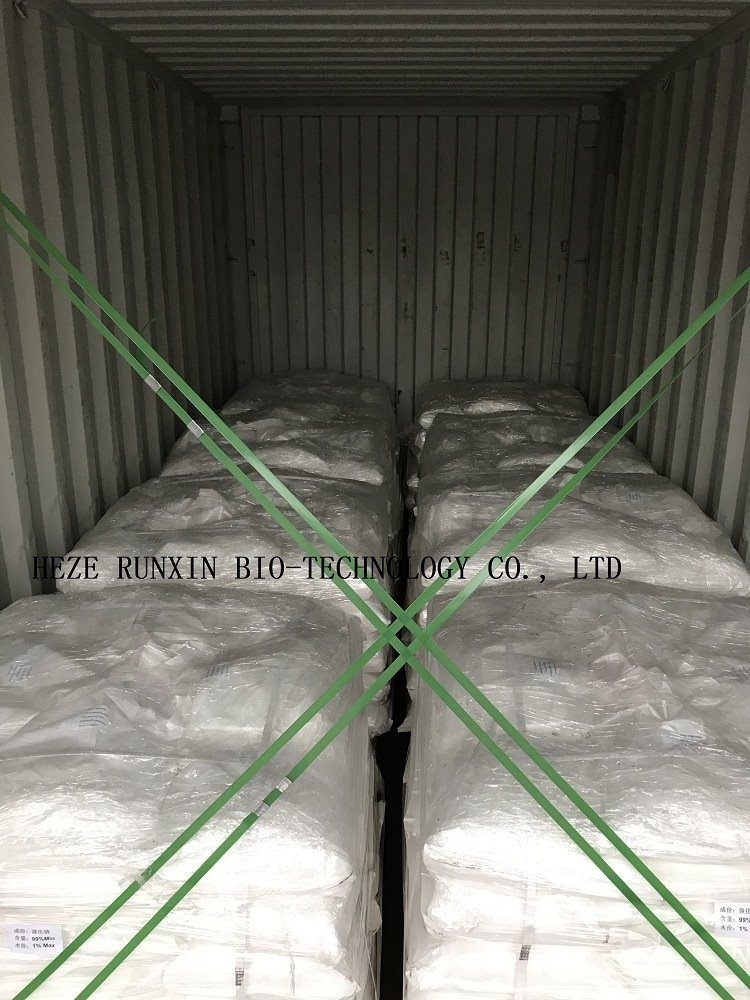
If you're interested in learning more about our OIT Biocide products for food - contact applications, you can check out our website here. We offer a range of products with different properties to meet your specific needs.
Whether you're in the food packaging industry, the food processing industry, or any other industry that requires biocides for food - contact applications, we're here to help. We can provide you with technical support, product samples, and all the information you need to make an informed decision.
If you think our OIT Biocide could be a good fit for your business, don't hesitate to reach out. We're always happy to have a chat about your requirements and see how we can work together.
In conclusion, while there are challenges and strict regulations when it comes to using OIT Biocide in food - contact applications, it's definitely a viable option if you take the right precautions. With the right product and proper testing, you can use OIT Biocide safely and effectively in your food - related processes.
References:
- Food and Drug Administration (FDA) regulations on food - contact substances.
- European Food Safety Authority (EFSA) guidelines for biocides in food - contact applications.
- Scientific research papers on the properties and safety of OIT Biocide and Sodium Bromide.