

What is the chemical structure of BRONOPOL Antimicrobial?
Dec 15, 2025
Bronopol, also known as 2 - bromo - 2 - nitropropane - 1,3 - diol, is a well - recognized antimicrobial agent widely used in various industries. As a BRONOPOL Antimicrobial supplier, I am often asked about its chemical structure and how it contributes to its antimicrobial properties. In this blog, I will delve into the chemical structure of Bronopol and explain its significance.
Chemical Structure of Bronopol
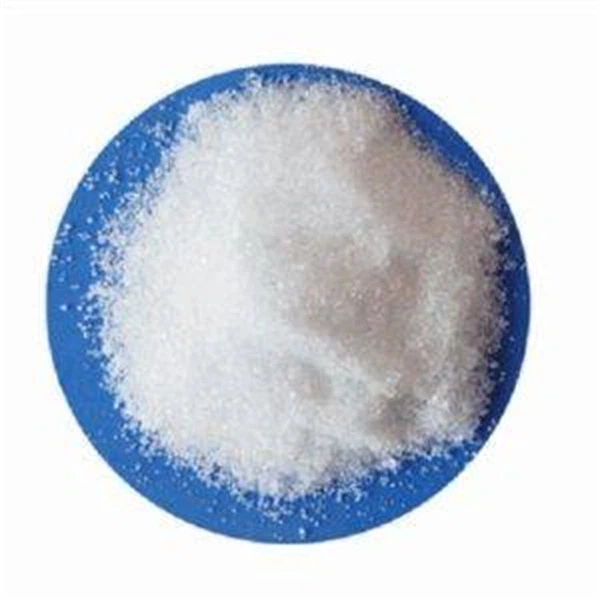
The molecular formula of Bronopol is C₃H₆BrNO₄. Its chemical structure consists of a central carbon atom that is part of a propane backbone. This central carbon is attached to a bromine atom and a nitro group (-NO₂). On either side of this central carbon, there are two hydroxymethyl groups (-CH₂OH).
The presence of the bromine atom is a key feature of Bronopol's structure. Bromine is a highly reactive halogen. In the context of antimicrobial action, the bromine atom can react with various biological molecules within microorganisms. It can disrupt the integrity of cell membranes, proteins, and nucleic acids. When Bronopol comes into contact with a microorganism, the bromine atom can be released in a reactive form. This reactive bromine species can oxidize sulfhydryl groups (-SH) in proteins, which are crucial for the proper folding and function of many enzymes. Enzyme inactivation leads to the disruption of essential metabolic pathways in the microorganism, ultimately resulting in its death.

The nitro group (-NO₂) in Bronopol also plays an important role. Nitro groups are electron - withdrawing groups. They can affect the electron density distribution in the molecule, making the adjacent carbon - bromine bond more reactive. Additionally, the nitro group can participate in redox reactions. It can accept electrons from biological molecules, further contributing to the oxidative stress on the microorganism.
The two hydroxymethyl groups (-CH₂OH) are hydrophilic in nature. They enhance the solubility of Bronopol in water. This solubility is essential for its practical application. In many industrial processes, such as water treatment, cosmetics, and personal care products, Bronopol needs to be evenly distributed in an aqueous environment. The hydroxymethyl groups allow Bronopol to dissolve easily in water - based formulations, ensuring that it can reach the target microorganisms effectively.
Comparison with Related Compounds
Another well - known antimicrobial compound in the same category is 2,2 - Dibromo - 3 - nitrilopropionamide, also known as 2,2 - Dibromo - 3 - nitrilopropionamide. Its chemical structure is quite different from Bronopol. The molecular formula of 2,2 - Dibromo - 3 - nitrilopropionamide is C₃H₂Br₂N₂O. It has two bromine atoms attached to the same carbon atom, along with a nitrile group (-C≡N) and an amide group (-CONH₂).
The presence of two bromine atoms in 2,2 - Dibromo - 3 - nitrilopropionamide makes it a more potent bromine - releasing agent compared to Bronopol. It can generate a higher concentration of reactive bromine species in a shorter period. However, this also means that it may have a more rapid and intense antimicrobial effect, which might not be suitable for all applications. For example, in some delicate cosmetic formulations, the high reactivity of 2,2 - Dibromo - 3 - nitrilopropionamide could potentially cause irritation to the skin.
On the other hand, DBNPA Tablet is a form of 2,2 - Dibromo - 3 - nitrilopropionamide. The tablet form is convenient for use in water treatment systems. It can be easily added to a water reservoir, and the slow - release property of the tablet allows for a more controlled release of the antimicrobial agent over time.
Industrial Applications and the Role of Chemical Structure
Bronopol's unique chemical structure makes it suitable for a wide range of industrial applications. In the cosmetic and personal care industry, its water - solubility and relatively mild antimicrobial action are highly valued. It can be used in products such as shampoos, lotions, and creams to prevent the growth of bacteria, fungi, and yeasts. The hydroxymethyl groups ensure that it can be incorporated into the water - based formulations of these products without causing phase separation or other stability issues.
In the water treatment industry, Bronopol is used to control the growth of microorganisms in cooling towers, industrial water systems, and swimming pools. Its ability to release reactive bromine species helps to disinfect the water and prevent the formation of biofilms. Biofilms are communities of microorganisms that can adhere to surfaces in water systems, causing corrosion, clogging, and reduced efficiency. By disrupting the cell membranes and metabolic processes of the microorganisms in the biofilm, Bronopol can help to keep the water systems clean and functioning properly.
In the textile industry, Bronopol can be used as a preservative in textile finishing processes. It can prevent the growth of mold and mildew on fabrics during storage and transportation. The chemical structure of Bronopol allows it to penetrate the fibers of the fabric and provide long - lasting protection against microbial attack.
Safety Considerations
While Bronopol is an effective antimicrobial agent, safety is always a concern. The reactive bromine species released by Bronopol can be harmful if not handled properly. In high concentrations, it can cause irritation to the skin, eyes, and respiratory system. Therefore, it is important to follow strict safety guidelines when using Bronopol. In the cosmetic industry, there are regulations regarding the maximum allowable concentration of Bronopol in products to ensure consumer safety.
Conclusion
In conclusion, the chemical structure of BRONOPOL Antimicrobial is the key to its antimicrobial properties and wide - ranging applications. The bromine atom, nitro group, and hydroxymethyl groups all work together to make it an effective and versatile antimicrobial agent. Compared to related compounds like 2,2 - Dibromo - 3 - nitrilopropionamide and DBNPA Tablet, Bronopol has its own unique advantages and limitations.
If you are in need of high - quality Bronopol Antimicrobial for your industrial or commercial applications, I invite you to contact me for a detailed discussion about your requirements. We can explore the best solutions for your specific needs and ensure that you get the most suitable product at a competitive price.
References
- Block, S. S. (2001). Disinfection, Sterilization, and Preservation. Lippincott Williams & Wilkins.
- Russell, A. D. (2002). Bacterial resistance to disinfectants: Present knowledge and future problems. Journal of Applied Microbiology, 92(Suppl 32), 21S - 32S.