

What are the different formulations of biocides?
Oct 09, 2026
Hey there! As a biocides supplier, I'm super stoked to dive into the different formulations of biocides with you. Biocides are substances that are used to destroy, deter, render harmless, or exert a controlling effect on any harmful organism by chemical or biological means. They're used in a wide range of applications, from water treatment to paints and coatings, and even in the preservation of wood. So, let's get into it!
Oxidizing Biocides
Oxidizing biocides work by oxidizing the cellular components of microorganisms, which ultimately leads to their death. They're fast-acting and effective against a broad spectrum of bacteria, fungi, and algae. One of the most common oxidizing biocides is chlorine. Chlorine is cheap, readily available, and has been used for water treatment for decades. It can be added to water in the form of chlorine gas, sodium hypochlorite, or calcium hypochlorite.
Another popular oxidizing biocide is bromine. Bromine is similar to chlorine but is more effective at higher pH levels and in the presence of ammonia. It's often used in swimming pools and spas, as well as in industrial water treatment applications.
Ozone is also an oxidizing biocide that's gaining popularity. Ozone is a powerful oxidant that can quickly kill microorganisms. It's also environmentally friendly, as it breaks down into oxygen after use. However, ozone is unstable and needs to be generated on-site, which can be costly.
Non-Oxidizing Biocides
Non-oxidizing biocides work by disrupting the normal metabolic processes of microorganisms. They're generally slower-acting than oxidizing biocides but are more effective against biofilms. One of the most common non-oxidizing biocides is DBNE Biocide. DBNE Biocide is effective against a wide range of bacteria, fungi, and algae. It's often used in industrial water treatment, paints, and coatings.
Another popular non-oxidizing biocide is 2-Methyl-4-Isothiazolin-3-One Biocide. 2-Methyl-4-Isothiazolin-3-One Biocide is a broad-spectrum biocide that's used in a variety of applications, including water treatment, paints, and personal care products. It's effective against bacteria, fungi, and algae, and it has a low toxicity level.
BRONOPOL Antimicrobial is also a non-oxidizing biocide that's commonly used in the cosmetics and personal care industry. It's effective against a wide range of bacteria, including Pseudomonas aeruginosa and Staphylococcus aureus.
Chlorine-Containing Biocides
Chlorine-containing biocides are a type of oxidizing biocide. They include chlorine gas, sodium hypochlorite, and calcium hypochlorite. Chlorine gas is a highly effective biocide but is also very dangerous to handle. Sodium hypochlorite and calcium hypochlorite are more commonly used in water treatment applications. They're easier to handle and store than chlorine gas.
Bromine-Containing Biocides
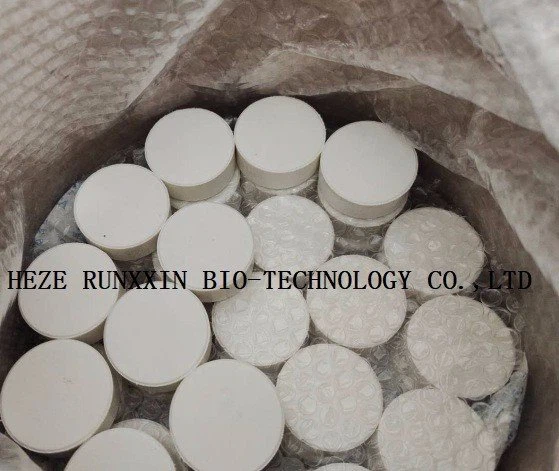
Bromine-containing biocides are similar to chlorine-containing biocides but have some advantages. Bromine is more effective at higher pH levels and in the presence of ammonia. DBNPA 20% Biocide and DBNPA Tablet are two examples of bromine-containing biocides. DBNPA is fast-acting and effective against a broad spectrum of microorganisms. It's often used in industrial water treatment, oil and gas production, and paper manufacturing.
Silver-Based Biocides
Silver-based biocides are becoming increasingly popular due to their broad-spectrum activity and low toxicity. Silver ions can disrupt the normal metabolic processes of microorganisms, leading to their death. Silver-based biocides are used in a variety of applications, including wound dressings, medical devices, and water treatment.
Quaternary Ammonium Compounds (Quats)
Quaternary ammonium compounds, or quats, are a type of non-oxidizing biocide. They're positively charged molecules that can interact with the negatively charged cell membranes of microorganisms. This interaction disrupts the cell membrane, leading to the death of the microorganism. Quats are commonly used in disinfectants, sanitizers, and fabric softeners.
Choosing the Right Biocide
Choosing the right biocide depends on several factors, including the type of microorganisms you're trying to control, the application, and the environmental conditions. For example, if you're treating water with a high pH level, a bromine-containing biocide might be a better choice than a chlorine-containing biocide. If you're dealing with a biofilm, a non-oxidizing biocide might be more effective.

It's also important to consider the safety and environmental impact of the biocide. Some biocides can be toxic to humans and animals, while others can have a negative impact on the environment. Always follow the manufacturer's instructions when using biocides, and take appropriate safety precautions.
Contact Us for Your Biocide Needs
If you're in the market for biocides, we've got you covered. We offer a wide range of biocide formulations to meet your specific needs. Whether you're in the water treatment industry, the paint and coating industry, or any other industry that requires biocides, we can provide you with high-quality products at competitive prices.
Don't hesitate to reach out to us for more information or to start a conversation about your biocide requirements. We're here to help you find the right solution for your application. Contact us today to get started!