

Does BBIT Microbiocide require special handling during transportation?
Oct 20, 2025
As a supplier of BBIT Microbiocide, I often receive inquiries from customers regarding the transportation process of this product. One of the most frequently asked questions is whether BBIT Microbiocide requires special handling during transportation. In this blog post, I will delve into this topic, providing detailed insights based on scientific knowledge and industry experience.
Understanding BBIT Microbiocide
BBIT, or 1,2 - Benzisothiazolin - 3 - one, is a widely used microbiocide in various industries. It is known for its broad - spectrum antimicrobial activity against bacteria, fungi, and yeasts. Due to its effectiveness, it is commonly used in water - based paints, adhesives, metalworking fluids, and personal care products.
BBIT Microbiocide works by disrupting the cellular processes of microorganisms. It can react with the thiol groups in enzymes and proteins within the microbial cells, leading to the inactivation of these essential biomolecules and ultimately the death of the microorganisms. This mode of action makes it a powerful tool for preventing microbial growth and spoilage in different products.
General Transportation Considerations
When it comes to transporting any chemical product, including BBIT Microbiocide, there are some general principles that need to be followed. First and foremost, compliance with local, national, and international regulations is non - negotiable. These regulations are in place to ensure the safety of the transportation process, protect the environment, and safeguard the health of those involved.
In addition, proper packaging is crucial. BBIT Microbiocide should be packaged in containers that are resistant to corrosion, leakage, and physical damage. The packaging materials should be compatible with the chemical to prevent any chemical reactions that could compromise the integrity of the product or the container.
Special Handling Requirements
Temperature Control
BBIT Microbiocide may have specific temperature requirements during transportation. Extreme temperatures can affect the chemical stability of the product. High temperatures can accelerate chemical reactions, potentially leading to the degradation of BBIT and the formation of unwanted by - products. On the other hand, very low temperatures may cause the product to freeze, which could damage the container or change the physical properties of the microbiocide.
It is essential to maintain the product within the recommended temperature range. For example, some formulations of BBIT Microbiocide are recommended to be transported at temperatures between 5°C and 30°C. This may require the use of temperature - controlled transportation vehicles, such as refrigerated trucks or containers, especially when shipping over long distances or through regions with extreme climates.

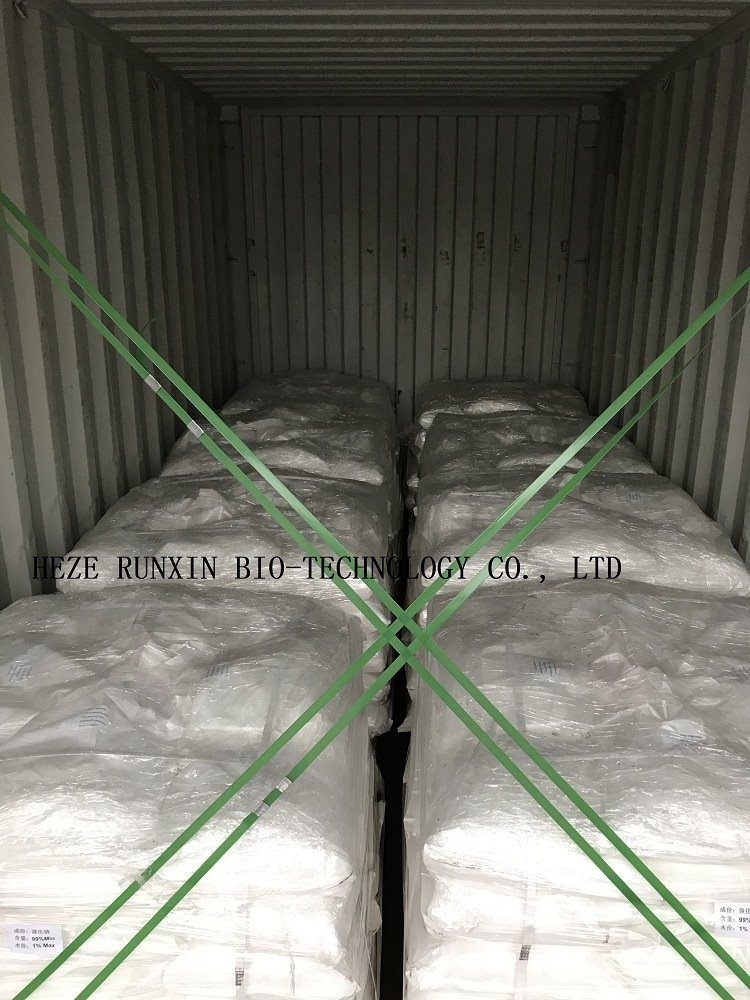
Hazardous Materials Classification
BBIT Microbiocide is classified as a hazardous material in many countries. It is important to handle it in accordance with the relevant hazardous materials regulations. This includes proper labeling of the packaging. The labels should clearly indicate the name of the product, its chemical composition, hazard warnings, and handling instructions.
During transportation, carriers must be aware of the hazardous nature of the product and follow specific procedures. For instance, they may need to have special training in handling hazardous chemicals, and the transportation vehicle should be equipped with appropriate safety equipment, such as spill - containment materials and fire - fighting equipment.
Compatibility with Other Substances
When transporting BBIT Microbiocide, it is crucial to ensure that it is not mixed with incompatible substances. Some chemicals can react with BBIT, leading to dangerous situations such as explosions, fires, or the release of toxic gases.
For example, BBIT should not be transported in the same container or vehicle as strong oxidizing agents, acids, or alkalis. It is necessary to separate BBIT Microbiocide from other chemicals during transportation to prevent any potential chemical reactions.
Comparison with Related Products
To better understand the special handling requirements of BBIT Microbiocide, it can be helpful to compare it with other related biocides. For instance, Bronopol is another commonly used biocide. Bronopol also has antimicrobial properties but may have different transportation requirements.
Bronopol is sensitive to heat and light, and it can decompose under certain conditions, releasing formaldehyde, which is a toxic substance. Therefore, when transporting Bronopol, strict temperature and light control are often required. In contrast, while BBIT also has temperature requirements, its decomposition products are generally less toxic than those of Bronopol.
Another related product is IPBC Preservative. IPBC is mainly used as a fungicide in paints and coatings. It has different solubility and chemical reactivity compared to BBIT. IPBC may require different packaging materials due to its potential to react with some plastics. BBIT, on the other hand, has its own set of compatibility requirements for packaging.
Sodium Bromide is also used in the biocide industry. It is a relatively stable compound, but it still needs to be transported in a dry environment to prevent moisture absorption, which could affect its quality. BBIT, with its own chemical properties, has unique requirements that are distinct from those of sodium bromide.
Safety Measures During Transportation
To ensure the safe transportation of BBIT Microbiocide, several safety measures should be implemented. First, the transportation route should be carefully planned. Routes should avoid areas with high population density, sensitive environmental areas, and areas prone to natural disasters.
Emergency response plans should also be in place. In case of an accident, such as a spill or a leak, there should be a clear protocol for containing the spill, notifying the relevant authorities, and cleaning up the mess. The personnel involved in the transportation process should be trained on these emergency response procedures.
Conclusion
In conclusion, BBIT Microbiocide does require special handling during transportation. Temperature control, compliance with hazardous materials regulations, proper packaging, and separation from incompatible substances are all essential aspects of the transportation process.
If you are interested in purchasing BBIT Microbiocide or have any questions regarding its transportation or usage, please feel free to contact us. We are always ready to provide you with professional advice and high - quality products.
References
- Chemical Safety Data Sheets for BBIT Microbiocide
- International Regulations on the Transportation of Hazardous Materials
- Industry research on the chemical properties and transportation requirements of biocides