

Can PHMB 20% be used in the plastic industry?
Aug 29, 2025
Hey there! As a supplier of 20% PHMB (Polyhexamethylene biguanide), I often get asked if this stuff can be used in the plastic industry. Well, let's dig into it and find out.
First off, what's PHMB 20%? PHMB is a well - known antimicrobial agent. It's got a wide range of applications because it's effective against a variety of bacteria, fungi, and viruses. The 20% concentration means that in the solution or mixture we're providing, 20% of it is pure PHMB, and the rest is usually some kind of carrier or solvent.
Now, let's talk about the plastic industry. Plastics are everywhere in our lives, from the containers we use to store food to the parts in our electronic devices. One of the big challenges in the plastic industry is keeping products free from microbial contamination. Microbes can cause all sorts of problems, like discoloration, odor, and even degradation of the plastic over time.
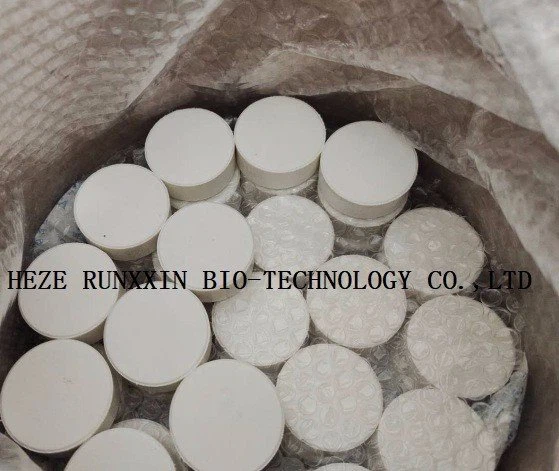

So, can PHMB 20% be the solution? The answer is a big yes! There are several reasons why PHMB 20% can be a great addition to the plastic manufacturing process.
Advantages of Using PHMB 20% in Plastics
Antimicrobial Protection
The most obvious benefit is its antimicrobial property. By incorporating PHMB 20% into plastics, manufacturers can create products that resist the growth of harmful microorganisms. For example, in plastic food containers, it can prevent the growth of bacteria like E. coli and Salmonella, which is a huge plus for food safety. This also extends the shelf - life of the plastic products, as they're less likely to be damaged by microbial activity.
Compatibility
PHMB 20% is generally compatible with many types of plastics. Whether it's polyethylene, polypropylene, or PVC, it can be mixed into the plastic matrix during the manufacturing process without causing major issues with the plastic's physical properties. This means that manufacturers don't have to worry about sacrificing the strength, flexibility, or other important characteristics of the plastic when adding PHMB 20%.
Long - lasting Effect
Once PHMB 20% is incorporated into the plastic, it provides long - lasting antimicrobial protection. It doesn't wear off easily, even with regular use and exposure to different environmental conditions. This is crucial for plastic products that are used in high - traffic areas or in environments where there's a high risk of microbial contamination.
How to Incorporate PHMB 20% into Plastics
There are a few ways to add PHMB 20% to plastics. One common method is to mix it into the plastic resin during the extrusion or injection molding process. This ensures that the PHMB is evenly distributed throughout the plastic, providing consistent antimicrobial protection. Another way is to apply it as a coating on the surface of the plastic after it's been formed. This can be useful for products where a surface - only protection is needed.
Comparing with Other Antimicrobial Agents
In the market, there are other antimicrobial agents available for the plastic industry, such as Bronopol and DBNPA Tablet. While these agents also have their own advantages, PHMB 20% has some unique selling points.
Bronopol, for example, is an effective biocide, but it may have some limitations in terms of its stability under certain conditions. And BRONOPOL Preservatives might not be as environmentally friendly as PHMB 20%. PHMB 20% is considered to be relatively safe for the environment and has a lower risk of causing harm to humans when used in the right concentrations.
Potential Challenges
Of course, it's not all sunshine and rainbows. There are a few potential challenges when using PHMB 20% in the plastic industry. One issue is the cost. PHMB 20% might be a bit more expensive compared to some other antimicrobial agents. However, when you consider the long - term benefits, such as extended product lifespan and improved safety, the cost can be justified.
Another challenge is ensuring the proper dosage. If too much PHMB 20% is added, it could potentially affect the plastic's properties. On the other hand, if too little is added, it might not provide adequate antimicrobial protection. This requires careful testing and optimization during the manufacturing process.
Conclusion
In conclusion, PHMB 20% has great potential in the plastic industry. Its antimicrobial properties, compatibility with plastics, and long - lasting effect make it a valuable addition to the plastic manufacturing process. While there are some challenges to overcome, the benefits far outweigh the drawbacks.
If you're in the plastic industry and are looking for an effective antimicrobial solution, I'd highly recommend considering PHMB 20%. As a supplier, I'm here to provide you with high - quality PHMB 20% products and offer technical support to help you integrate it into your manufacturing process. If you're interested in learning more or starting a procurement discussion, don't hesitate to reach out. Let's work together to create safer and more durable plastic products!
References
- [List of relevant scientific papers about PHMB applications]
- [Industry reports on antimicrobial agents in plastics]