

Can DBNPA Antimicrobial be used in the power generation industry?
Aug 27, 2025
In the power generation industry, maintaining the integrity and efficiency of equipment is crucial. One of the persistent challenges faced by power plants is the growth of microorganisms in various systems, such as cooling water systems, which can lead to biofouling, corrosion, and reduced operational efficiency. As a supplier of DBNPA (2,2 - Dibromo - 3 - nitrilopropionamide) antimicrobial, I am often asked whether DBNPA can be effectively used in the power generation industry. In this blog, I will explore the feasibility, advantages, and considerations of using DBNPA antimicrobial in power generation.
Understanding DBNPA Antimicrobial
DBNPA is a highly effective biocide known for its broad - spectrum antimicrobial activity. It can quickly and effectively kill a wide range of bacteria, fungi, and algae. Its mode of action involves disrupting the cell membranes of microorganisms, leading to their death. DBNPA is also characterized by its rapid degradation in the environment, which means it does not persist for long periods, reducing the risk of environmental pollution.
The Challenges in the Power Generation Industry
Power generation plants, especially those that rely on water - cooled systems, face several microbial - related challenges. In cooling water systems, microorganisms can form biofilms on heat exchanger surfaces. These biofilms act as insulators, reducing the heat transfer efficiency of the system. As a result, more energy is required to achieve the same cooling effect, leading to increased operational costs.
Moreover, biofouling can cause corrosion in pipes and equipment. Microorganisms can produce corrosive by - products, such as acids, which can damage the metal surfaces. This not only shortens the lifespan of the equipment but also poses safety risks. In addition, the growth of algae in open cooling towers can clog the fill media, reducing the water flow and air circulation, further affecting the cooling performance.
Advantages of Using DBNPA in the Power Generation Industry
1. Broad - Spectrum Activity
DBNPA's ability to target a wide range of microorganisms makes it an ideal choice for power generation plants. Whether it is bacteria like Pseudomonas aeruginosa, which is commonly found in water systems and can cause severe corrosion, or fungi and algae, DBNPA can effectively control their growth. This comprehensive protection helps to maintain the cleanliness of cooling water systems and other water - based processes in power plants.
2. Rapid Action
In power generation, time is of the essence. DBNPA acts quickly to eliminate microorganisms. Once added to the system, it can start killing bacteria and other microbes within a short period. This rapid action is crucial in preventing the formation of thick biofilms and reducing the potential damage to equipment. For example, in a situation where a sudden increase in microbial population is detected, DBNPA can be used as an emergency treatment to quickly bring the situation under control.
3. Environmental Friendliness
Compared to some traditional biocides, DBNPA has a relatively low environmental impact. It degrades rapidly in water, leaving behind minimal residues. This is an important consideration for power generation plants, as they are often subject to strict environmental regulations. By using DBNPA, power plants can ensure that they are operating in an environmentally responsible manner while still effectively controlling microbial growth.
4. Compatibility with Other Chemicals
DBNPA is generally compatible with other chemicals commonly used in power generation systems, such as corrosion inhibitors and scale inhibitors. This means that it can be easily integrated into existing water treatment programs without causing compatibility issues. For example, it can be used in combination with PHMB 20% to enhance the overall antimicrobial effect.

Application of DBNPA in the Power Generation Industry
1. Cooling Water Systems
In cooling water systems, DBNPA can be added directly to the cooling water. The dosage depends on various factors, such as the microbial load, water flow rate, and system temperature. Regular monitoring of the water quality is necessary to determine the appropriate dosage and frequency of addition. For large - scale power plants, continuous dosing systems can be used to ensure a consistent level of DBNPA in the cooling water.
2. Boiler Water Treatment
Although the conditions in boiler water are different from those in cooling water, DBNPA can also play a role in preventing microbial growth in boiler feedwater. Microorganisms in boiler feedwater can cause problems such as foaming and carryover, which can affect the steam quality and the efficiency of the boiler. By using DBNPA in the pre - treatment of boiler feedwater, these issues can be minimized.
3. Open Cooling Towers
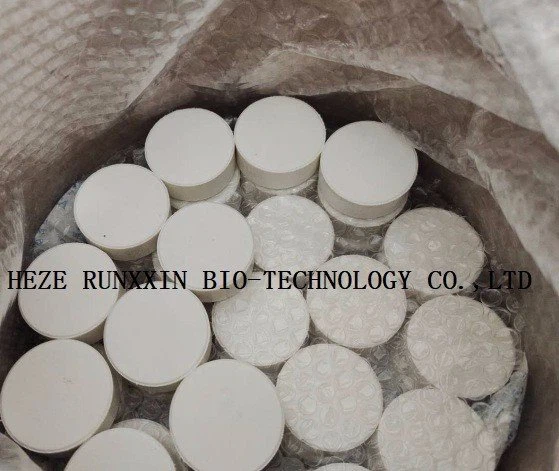
In open cooling towers, DBNPA can be used to control the growth of algae and other microorganisms. It can be applied either as a liquid or in the form of DBNPA Tablet. Tablets are convenient for slow - release applications, providing long - term protection against biofouling in the cooling tower.
Considerations when Using DBNPA in the Power Generation Industry
1. Dosage Control
While DBNPA is effective at controlling microbial growth, excessive dosage can lead to increased costs and potential environmental issues. Therefore, it is essential to accurately determine the appropriate dosage based on the specific conditions of the power generation system. Regular water quality testing should be carried out to monitor the microbial population and adjust the dosage accordingly.
2. Safety Precautions
DBNPA is a chemical substance, and proper safety precautions should be taken during handling and storage. Operators should wear appropriate personal protective equipment, such as gloves and goggles, when working with DBNPA. In addition, it should be stored in a cool, dry place away from incompatible substances.
3. Interaction with Other Substances
Although DBNPA is generally compatible with many chemicals, there may be some substances in the power generation system that can react with it. For example, Sodium Bromide may interact with DBNPA under certain conditions. Therefore, it is necessary to conduct compatibility tests before using DBNPA in combination with other chemicals.
Conclusion
In conclusion, DBNPA antimicrobial can be effectively used in the power generation industry. Its broad - spectrum activity, rapid action, environmental friendliness, and compatibility with other chemicals make it a suitable choice for controlling microbial growth in cooling water systems, boiler water treatment, and open cooling towers. However, proper dosage control, safety precautions, and consideration of interactions with other substances are essential for its successful application.
If you are in the power generation industry and are looking for an effective solution to control microbial growth, I encourage you to consider DBNPA. As a supplier, I am committed to providing high - quality DBNPA products and professional technical support. If you have any questions or are interested in purchasing DBNPA, please feel free to contact me for further discussion and negotiation.
References
- "Handbook of Industrial Water Treatment" by P. N. Cheremisinoff.
- "Microbiologically Influenced Corrosion" by G. S. Sawant and S. K. Chatterjee.
- Research papers on the application of DBNPA in water treatment systems from scientific journals such as "Water Research".