

Can DBNPA 20% Biocide be used in the oil and gas industry?
Oct 14, 2025
Can DBNPA 20% Biocide be used in the oil and gas industry?
As a supplier of DBNPA 20% Biocide, I've often been asked about the applicability of this product in the oil and gas industry. In this blog, I'll delve into the properties of DBNPA 20% Biocide and explore its potential uses in the oil and gas sector.
Understanding DBNPA 20% Biocide
DBNPA, or 2,2 - Dibromo - 3 - nitrilopropionamide, is a powerful biocide known for its broad - spectrum antimicrobial activity. The 20% formulation refers to the concentration of DBNPA in the solution, which provides an optimal balance between effectiveness and cost - efficiency.
This biocide works by disrupting the cell membranes of microorganisms and interfering with their metabolic processes. It can effectively control a wide range of bacteria, fungi, and algae, making it a popular choice in various industries where microbial growth needs to be managed.
Microbial Challenges in the Oil and Gas Industry
The oil and gas industry faces significant challenges related to microbial activity. Microorganisms can cause several problems in oil and gas production, transportation, and storage:
- Biofouling: Microbes can form biofilms on the surfaces of pipelines, tanks, and equipment. These biofilms can reduce the flow efficiency of pipelines, increase energy consumption, and cause corrosion under the biofilm layer.
- Souring: Sulfate - reducing bacteria (SRB) are particularly problematic in the oil and gas industry. They can convert sulfate ions into hydrogen sulfide (H₂S), a highly toxic and corrosive gas. H₂S not only poses a safety risk to workers but also corrodes metal equipment and can contaminate the oil and gas products.
- Microbial - induced corrosion (MIC): Microorganisms can accelerate the corrosion process by producing corrosive by - products or altering the local chemical environment around the metal surface. MIC can lead to the failure of pipelines and equipment, resulting in costly repairs and production downtime.
Can DBNPA 20% Biocide Address These Challenges?
-
Effective against a Wide Range of Microorganisms
DBNPA 20% Biocide has shown excellent efficacy against various types of bacteria, fungi, and algae commonly found in the oil and gas industry. Its broad - spectrum activity means it can target multiple types of microorganisms simultaneously, providing comprehensive protection against biofouling, souring, and MIC. -
Fast - acting and Degradable
One of the advantages of DBNPA is its fast - acting nature. It can quickly kill microorganisms upon contact, which is crucial in preventing the rapid growth of biofilms and the production of H₂S. Additionally, DBNPA is relatively degradable in the environment. It breaks down into non - toxic by - products over time, reducing the environmental impact compared to some other biocides. -
Compatibility with Oil and Gas Processes
DBNPA 20% Biocide is generally compatible with the chemicals and materials used in the oil and gas industry. It can be easily added to water - based systems such as injection water, produced water, and cooling water. It can also be used in oil - in - water emulsions without causing significant phase separation or other compatibility issues.
Application Areas in the Oil and Gas Industry
-
Water Treatment in Oil and Gas Production
In oil and gas production, large volumes of water are used for various purposes, such as reservoir injection and well stimulation. This water often contains microorganisms that need to be controlled to prevent biofouling and corrosion. DBNPA 20% Biocide can be added to the water treatment system to disinfect the water before it is injected into the reservoir or used in other processes. -
Pipeline and Equipment Protection
To prevent biofouling and MIC in pipelines and equipment, DBNPA 20% Biocide can be periodically injected into the pipeline system. It can also be used during the cleaning and maintenance of tanks and equipment to ensure that they are free from microbial contamination. -
Storage Facilities
In oil and gas storage facilities, such as tanks and terminals, DBNPA 20% Biocide can be used to control microbial growth in the stored products and on the surfaces of the storage tanks. This helps to maintain the quality of the stored oil and gas and prevent corrosion of the storage facilities.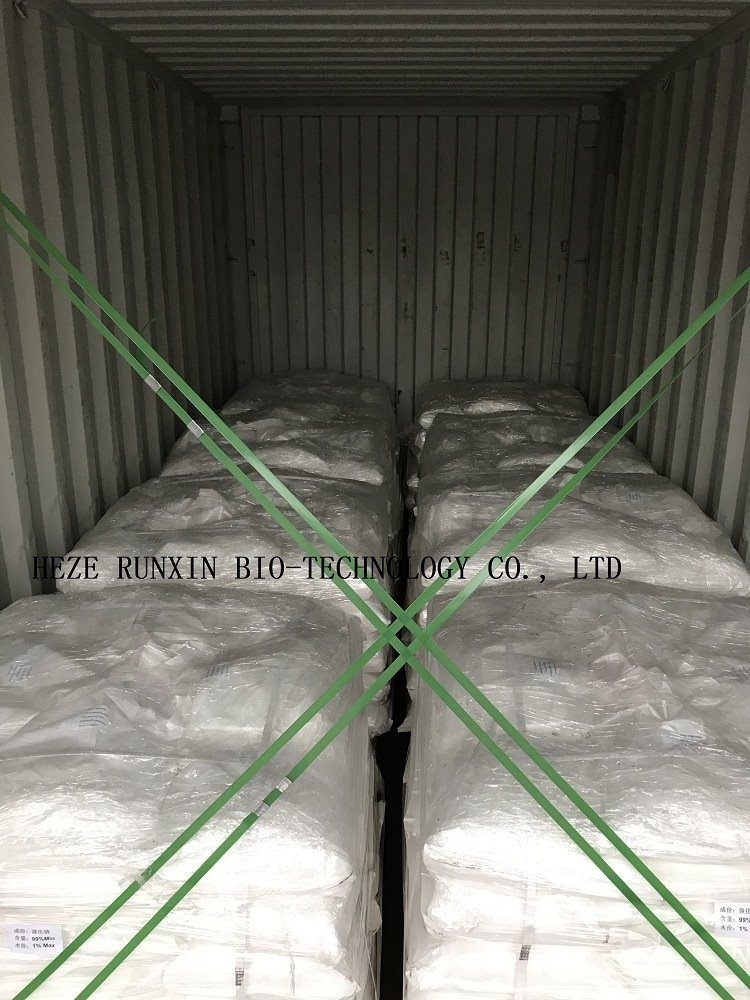

Comparison with Other Biocides
When considering biocides for the oil and gas industry, it's important to compare DBNPA 20% Biocide with other commonly used biocides.
- Sodium Bromide: Sodium bromide is often used as a source of bromine in some biocide formulations. While it can have antimicrobial properties, DBNPA 20% Biocide generally offers faster - acting and more targeted antimicrobial activity. DBNPA directly attacks the cell membranes of microorganisms, while sodium bromide may require additional chemical reactions to generate the active biocidal species.
- DBNE Biocide: DBNE Biocide has similar chemical structures to DBNPA. However, DBNPA 20% Biocide may have different performance characteristics in terms of its degradation rate, solubility, and efficacy against specific microorganisms. In some cases, DBNPA may be more suitable for applications where rapid microbial control is required.
- CMIT/MIT 14 Biocide: CMIT/MIT 14 Biocide is a widely used biocide in many industries. However, it has some limitations, such as potential skin irritation and a relatively narrow spectrum of activity against certain types of microorganisms. DBNPA 20% Biocide offers a broader spectrum of activity and may be a better choice in situations where a wider range of microbial control is needed.
Considerations for Using DBNPA 20% Biocide in the Oil and Gas Industry
- Dosage and Application Method
The appropriate dosage of DBNPA 20% Biocide depends on several factors, such as the type and concentration of microorganisms, the temperature, pH, and the characteristics of the system. It's important to conduct laboratory tests and field trials to determine the optimal dosage for a specific application. The biocide can be applied through continuous injection, batch treatment, or a combination of both methods. - Safety and Handling
Like all biocides, DBNPA 20% Biocide should be handled with care. It is toxic and can cause skin and eye irritation. Proper personal protective equipment (PPE) should be worn when handling the biocide. Additionally, it should be stored in a cool, dry place away from heat and direct sunlight. - Regulatory Compliance
Before using DBNPA 20% Biocide in the oil and gas industry, it's important to ensure compliance with all relevant local, national, and international regulations. Some regions may have restrictions on the use of certain biocides due to environmental or safety concerns.
Conclusion
In conclusion, DBNPA 20% Biocide has significant potential for use in the oil and gas industry. Its broad - spectrum antimicrobial activity, fast - acting nature, and compatibility with oil and gas processes make it a viable solution for addressing the microbial challenges faced in this industry. While there are some considerations regarding dosage, safety, and regulatory compliance, with proper management, DBNPA 20% Biocide can effectively control biofouling, souring, and MIC, thereby improving the efficiency and reliability of oil and gas operations.
If you are interested in learning more about DBNPA 20% Biocide or discussing potential applications in the oil and gas industry, I encourage you to reach out for a detailed discussion. Our team of experts is ready to provide you with the necessary information and support to help you make the best decision for your specific needs.
References
- API RP 64, "Mitigation of Microbiologically Influenced Corrosion in Oil and Gas Systems", American Petroleum Institute.
- ASTM D4412 - 06(2017), "Standard Test Method for Determination of Microbial Growth in Water - Based Metalworking Fluids", ASTM International.
- Zittel, W., & Schindler, J. (2016). "The Future of the Oil and Gas Industry: Trends and Challenges". Springer.